Biology / Eco System / Conservation Program

Program Overview

✅ Core Ecosystems: Sinharaja Rainforest (UNESCO Biosphere), Horton Plains orchids,Yala National Park , Bundala wetlands, Kitulgala rainforests 

✅ Botany: Sinharaja (139 endemic trees), Horton Plains orchids, Birds/Zoology: 34 Sinharaja endemics, Kitulgala Bird forest,, Yala 215 species, cloudforest specials

✅ Ecology: Wetland dynamics, forest layering, succession patterns

✅ University Partnerships: Government and private university’s Biology and eco system departments and postgraduate institutes .
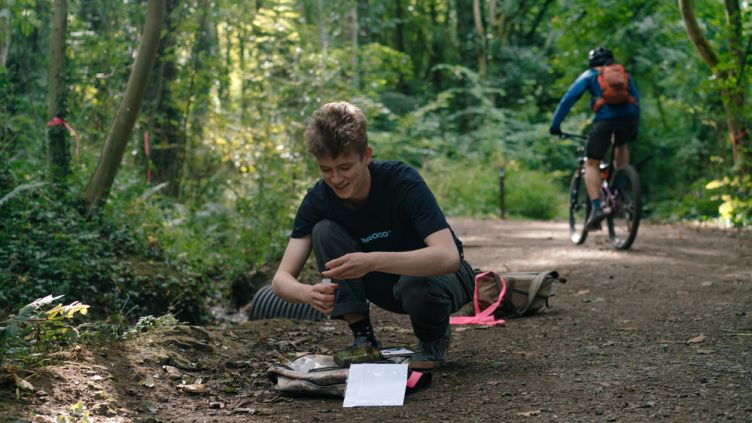
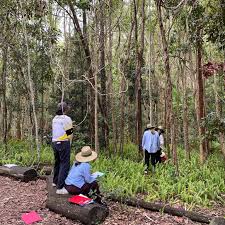
✅ Practical Focus: Field tours, Species inventories, ecosystem analysis, conservation , support for home country biology and eco system curriculums , observation  

✅Language Flexibility: English primary   / Japanese translators  

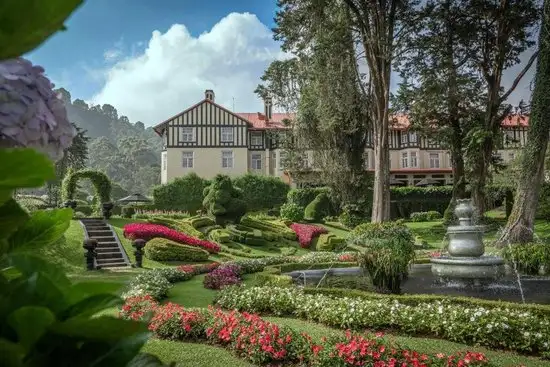
✅ Accommodation  – Hotels /  Villas / Premium homestays / Student dormitories

To Whom This Field Tour Is For

University students and faculty seeking intensive tropical STEM fieldwork for their home country program:

  • Biology majors documenting endemic species inventories
  • Botany students analyzing rainforest layering and orchids
  • Zoology researchers studying leopard ecology and bird flocks
  • Ecology departments measuring ecosystem services and succession
  • Environmental Science/SDGs programs analyzing conservation effectiveness
  • Study abroad coordinators needing turn-key Maymester/Summer-I programs

Perfect fit: Multi-disciplinary STEM groups requiring primary field data for credit-bearing coursework.

Program Outcomes

Immediate academic deliverables for home-university submission:

  • Species inventories: 139+ endemic plants, 60+ birds, 50+ reptiles cataloged
  • Ecosystem profiles: Rainforest→cloudforest→wetland stratification analysis
  • Conservation reports: Protected area efficacy, SDG Goal 15 metrics
  • Photo portfolios: 500+ research-grade images with GPS metadata

University lecture notes: sessions documented

Universities Thematic Alignment 

. STEM/ENVIRONMENT PROGRAM  

✅ Biology/Geology: “Tropical Field Research” ✓

✅ SDGs Certificate: “Conservation Practice” ✓

✅ Engineering: “Sustainability Engineering” ✓

Why Sri Lanka Excels vs Global Competitors

Sri Lanka delivers unmatched tropical research density that positions it above global field program competitors for short-term STEM study abroad.

Strategic Advantages Table

Factor Sri Lanka Costa Rica Australia Ecuador (Galapagos)
Endemism 95% plants (Sinharaja) 5-10% (cloudforest) 85% plants (Daintree) 50% reptiles/birds
Ecosystems 12 types (1 island) 6 types (country-wide) 4 types (NE Queensland) 1 type (islands only)
Logistics 1 country circuit Multi-region drives Liveaboards required Boat transfers + mainland
Cost Affordable – Close to many nations

From Japan 8h direct flight


Expensive Extra expensive Affordable but too far
Access ETA 24hr Tourist visa Student visa Galapagos permit
Research Density 12 ecosystems/wk 3 ecosystems/wk 2 ecosystems/wk 1 ecosystem/wk
University Ties 4 partners 2 partners 1 partner (JCU) Minimal
Hotel Quality 4-5 star field proximity 3-4 star remote 4-5 star field Liveaboards

Sri Lanka’s competitive highlights

🌟 Research Multiplier: 12 ecosystems in 400km x 250km = highest biodiversity per hectare globally. No competitor matches rainforest→cloudforest→wetland→montane gradient in single-country logistics.

⏱️ Perfect Timing: ETA instant approval vs 2-4 week student visas elsewhere. December-April dry season aligns Maymester/Summer-I calendars.

🎓 Academic Prestige: University  partnerships = institutional credibility Costa Rica/Australia can’t match for short programs.

📊 Data Density: 95% endemic plants + leopard capital + bird waves = thesis-ready portfolios in 14 days. 

Bottom Line: Sri Lanka = highest ROI tropical field program globally. More ecosystems, lower cost, simpler access, better hotels than established competitors. STEM departments will prioritize for unmatched research output per week invested.


Why Sri Lanka is Essential for STEM/Environment Field Programs

Sri Lanka delivers unparalleled tropical research value that temperate-zone universities cannot replicate, positioning it as the ideal short-term field destination.

Global Biodiversity Superpower (highest density  Hotspot)
  • One of 36 global biodiversity hotspots-highest species richness per unit area in Asiarainforestprotectors+1
  • 95% plant endemism in Sinharaja UNESCO Biosphere (139 endemic trees in 88km²)
  • Island isolation = evolutionary treasure trove (23% flowering plants, 16% mammals unique)
Stratergic location – Direct flight from many countries
Country Avg Flight Hours Return Cost (USD/JPY) Direct Flights?
Japan 8h (Tokyo Narita-CMB) $500-700 / ¥75,000-105,000 Yes 
China 7-8h $250-500 / ¥37,500-75,000 Yes 
Taiwan 9-10h $300-600 / ¥45,000-90,000 No
Korea 9-11h $600-800 / ¥90,000-120,000 No
Australia 8-10h $600-900 / ¥90,000-135,000 Yes 
Germany 9-11h $600-900 / ¥90,000-135,000 Yes 
Ecosystem Diversity in Compact Geography

12 Ecosystems in 1 Island (400km x 250km):

  •  Rainforest (Sinharaja) → Cloudforest (Horton Plains) → Montane (Knuckles)
  •  Dry zone safari (Yala leopards) → Wetlands (Bundala RAMSAR)
  •  World’s tallest dipterocarp trees (Peak Wilderness 50m+)

Vs Competitors: No Asian country matches rainforest→cloudforest→wetland→montane gradient in single-country logistics.

Research-Grade Endemics (Thesis Gold)
  • 34 endemic birds (Sinharaja bird waves = world-class phenomenon)
  • Leopard capital (Yala density 1:2km² globally highest)
  • 83% endemic reptiles (hump-nosed viper, horned tree frog)
  • 150+ orchid species (Kitulgala) unavailable elsewhere

Academic Impact: Species never seen in home-country herbaria = immediate publication potential.

Cost-to-Value Unbeatable

¥Starting from 650k all-inclusive = Europe semester housing cost Tourist ETA ($50, Japanese free) vs student visas 4-5 star hotels/ dormitories  near research sites vs liveaboard/remote camps
Perfect Short-Term Windows
  • December-April dry season = maximum visibility/animal activity
  • 2-4 week circuits cover 12 ecosystems (impossible elsewhere)
  • No monsoon disruptions during peak academic calendars
SDG Research Leader
  • Goal 15 Life on Land : 25% forest cover protected
  • Goal 14 spillover : Wetland conservation (Bundala RAMSAR)
  • Goal 13 Climate : Cloudforest carbon sequestration studies
  • Active IUCN Red List projects + national biodiversity profiles


STEM/Environment Cross-Curriculum Field Program (2-4 Weeks)

2-Week Tropical Field Research tour

Week 1: Biology/Botany/Ecology Foundations

  • Sinharaja Rainforest (UNESCO Biosphere): Forest layering analysis, dipterocarp transects, 139 endemic tree inventory, bird waves (8-species flocks)
  • University Sessions : Tropical ecology lecture session + herbarium access
  • Knuckles Range Conservation Forest: Montane geology (gneiss formations), endemic rhododendrons, whistling thrush surveys

Week 2: Zoology & Conservation Practice

  • Yala National Park: Leopard density mapping, sloth bear behavior, 215 bird species checklist
  • Bundala RAMSAR Wetlands: Migratory wader counts, wetland soil profiles, SDG Goal 15 analysis
  • University session : Conservation methodologies + protected area management workshop

4-Week Advanced Ecosystems

Phase 1: Botany/Ecology (as 2-week above)

Phase 2: Zoology & Advanced Forests

  • Peak Wilderness Sanctuary: World’s tallest dipterocarp trees (50m+)
  • Horton Plains NP: Cloudforest botany (Strobilanthes), sambar deer pellets, plateau geology
  • Kitulgala Rainforest: 150+ orchid species, amphibian night transects (hump-nosed viper)

Wetlands & SDG Synthesis

  • Brackish wetland succession, mangrove root profiles, wading bird roosts
  • Victoria-Randenigala-Rathnaella Sanctuary: Reservoir-wetland interface, fish-eagle surveys


Cross-Discipline Assignment Outputs

Biology Students:

  • Endemic species checklists (flora 139+, birds 60+, herps 50+)
  • Tropical forest stratification profiles

Botany Students:

  • Dipterocarp phenology charts, orchid pollination observations
  • Cloudforest succession transects

Zoology Students:

  • Mammal pellet analysis (leopard scat, sambar pellets)
  • Bird flock composition data (Sinharaja mixed-species waves)

Ecology Students:

  • Wetland carrying capacity calculations
  • Forest edge effect measurements

SDGs/Environment Students:

  • Protected area efficacy analysis (Yala jeep limits vs Bundala foot access)
  • Conservation practice benchmarking (Sinharaja buffer zone management)

Premium hotels / Dormitories  strategically positioned near field sites and university partners. Homestays optional for cultural immersion. All properties emphasize research-conducive facilities and ecosystem proximity.

Sinharaja Rainforest Base (Primary Highlands)

Location: UNESCO Biosphere buffer zone (15-30min to forest entrance,)
Highlights: Rainforest views, immediate trailhead access, biodiversity observation balconies
Facilities:

  • Deluxe rooms with private balconies overlooking forest canopy
  • Dedicated research lounge (binocular drying stations, photo editing workstations)
  • On-site naturalist briefings, high-speed WiFi, laundry for field gear
  • Jungle-view infinity pools, organic farm-to-table dining

Yala/Bundala Lowlands Base

Location: National park gates (5km max), RAMSAR wetland proximity
Highlights: Leopard territory overlooking, wetlands sunrise viewing decks
Facilities:

  • Safari-facing suites with private verandas
  • Wildlife observation lounge (spotting scopes provided)
  • Field gear drying rooms, boot cleaning stations
  • International cuisine with Sri Lankan specials, 24hr room service

Knuckles Range/Horton Plains Base

Location: Montane forest edge (cloudforest trailheads 20min)
Highlights: World’s highest dipterocarp views, mist-shrouded valley panoramas
Facilities:

  • Hill country suites with panoramic geology observation
  • Terrace workspaces for transect data processing
  • Fireplace lounges for evening species ID sessions
  • Organic highland cuisine, herbal tea stations

Homestay Option (Cultural Add-On)

Location: Local family homes near field sites (Japanese-speaking available)
Facilities: Private ensuite rooms, family meals, evening biodiversity discussions

All Properties: 1:8 field support ratio, daily transport coordination, research-grade equipment storage.

Includes

  • 4-5 star hotel accommodation/dormitories  (deluxe rooms, research facilities)
  • Licensed naturalist guides (DBK/PBS certified, multilingual)
  • University sessions ( Conservation workshops)
  • All national park/wetland entrance fees + permits
  • Private 4×4 transport (safari vehicles, high-clearance for montane roads)
  • Full board/half board options + research lounge access, WiFi/printers

Excludes

  • International flights to Colombo
  • Personal expenses (souvenirs, premium beverages)
  • Research equipment (Zeiss binoculars, GPS,)
  • Optional homestay cultural upgrade
  • Private photography/videography guides
  • University tuition/credit transfer fees
  • Travel insurance (recommended)

Key Details

Groups/Individuals

Name: _________  Email: _________  University: _________

Program: ☐ 2-Week Foundations ☐ 4-Week Advanced 

Major: ☐ Biology ☐ Botany ☐ Zoology ☐ Ecology ☐ Geology ☐ Environment/SDGs

Experience Level: ☐ Beginner ☐ Intermediate  

Language preference : ☐ English ☐ Japanese ☐ Other

Assignment Requirements: _________  Preferred Dates: _________

Submit: [email protected]

University Departments & Study Abroad Offices

Institution: _________  Department: _________  Students: ___

Curriculum Focus: ☐ Multi-disciplinary STEM ☐ SDG Conservation ☐ Biodiversity Research

Credit Requirements: _____ ECTS/US Credits  Faculty Leader: _________

Submit: [email protected]

Response Timeline: 48hr confirmation → Hotel assignment → Equipment fitting → Pre-program species checklists → Detailed field itinerary + packing list for tropical research.

Optimal Seasons: December-April (dry season, maximum visibility). Limited capacity due to 4-5 star hotel allocations and university schedules. Perfect Maymester/Summer- programs.

Submit An Inquiry


    By submitting this form, you are agreeing to the Terms & Conditions and Privacy Policy of Toddyland.