Wildlife Filming

Program Overview

  • Locations: Yala National Park, Udawalawe National Park & Sinharaja Rainforest and selected wildlife hotspots
  • Duration: 5-Day Intensive / 10-Day Immersive / Tailormade
  • Resource Persons:, Award-Winning Wildlife Filmmaker & Cinematographers
  • Outcome: Gain professional wildlife videography skills
  • Special: All filming permits & legal permissions included​
Why Choose This Training ?
  • Learn cinematic techniques from Sri Lanka’s top wildlife videographer
  • Film leopards, elephants, sloth bears & 400+ bird species in their natural habitat​
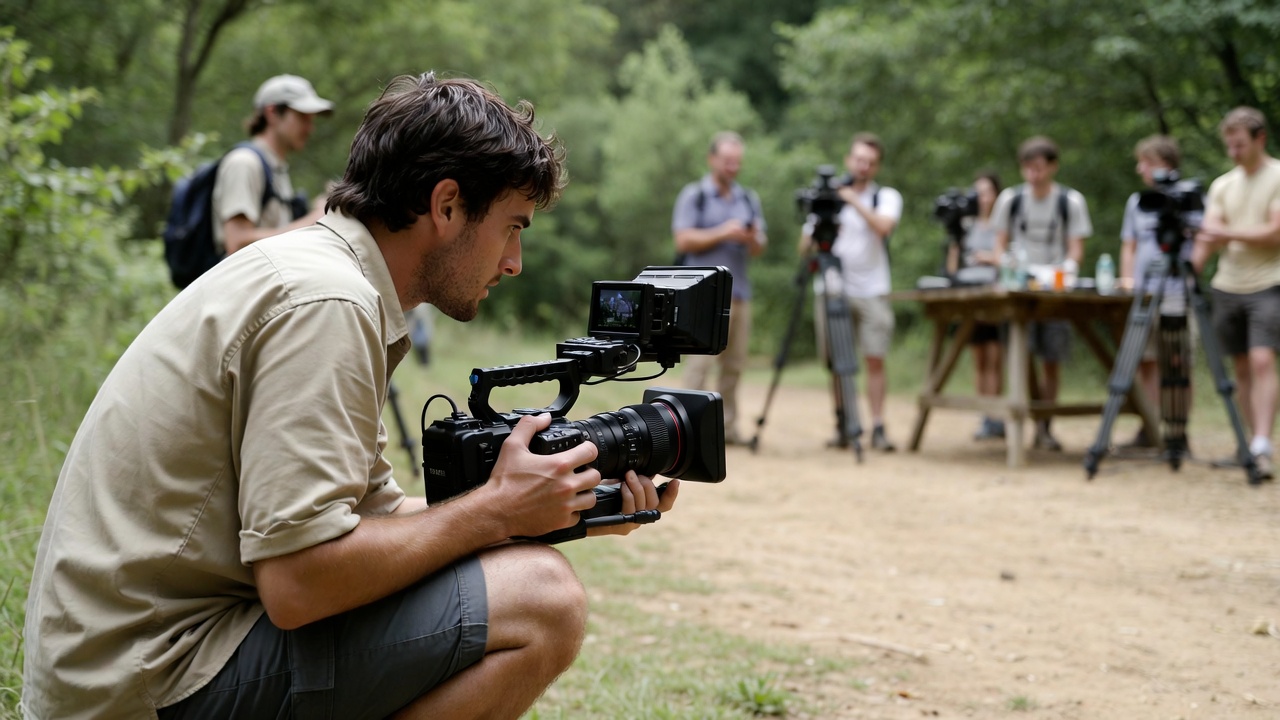
  • Small-group filming (max 6 participants for personalized guidance)
  • Real-time footage critiques & editing masterclasses
  • All national park permits arranged (required for wildlife videography)​
For Whom ?
Individual Participants
  • Aspiring Wildlife Filmmakers looking to build professional portfolios with tropical biodiversity content​
  • Nature Documentary Students seeking hands-on field experience in diverse ecosystems
  • Content Creators & YouTubers specializing in wildlife, nature, or travel videography
  • Professional Photographers transitioning into videography and motion picture work
  • Eco-Tourism Operators wanting to document and promote conservation destinations
  • Wildlife Biology Students requiring practical filming skills for research documentation
  • Adventure Travel Videographers expanding their specialty into wildlife cinematography

Overseas Partner Institutions

Academic Field Trip Program for Universities & Film Schools

We provide specialized field trips for international institutions offering wildlife videography, documentary filmmaking, or conservation media programs that require practical field training components.​

  • Film & Media Schools with wildlife documentary or natural history filmmaking courses
  • Universities with Wildlife Biology/Ecology Programs needing field documentation training
  • Photography & Cinematography Institutes seeking tropical biodiversity filming locations
  • Environmental Studies Departments requiring conservation storytelling skill development
  • Tourism & Hospitality Management Programs with eco-tourism specializations
  • Veterinary & Animal Sciences Colleges needing animal behavior documentation training

Target Objects

  • Leopards at Yala (world’s highest concentration)​
  • Elephant herds at Udawalawe (400+ individuals)​
  • Sloth bears at Wilpattu & Kumana​
  • Blue whales off Mirissa coast (seasonal)​
  • Endemic birds including Sri Lanka Blue Magpie & Red-faced Malkoha​
  • Rainforest species at Sinharaja (48+ bird species)​


Feature Sri Lanka  India Thailand South Africa (Kruger) Costa Rica
Cost Effectiveness 40-60% affordable than South Africa/Costa Rica hotspots; high value per species Higher entry fees Budget-friendly base Premium safari pricing Eco-lodge/liveaboard premiums
Specialties Highest leopard density globally, elephants, sloth bears, 500+ birds, endemics; 30+ ecosystems in island size Tigers, jungle macros Clouded leopards, gibbons Big 5, migrations Sloths, macaws, 900+ birds
Food Fresh tropical cuisine, seafood, vegetarian; safe tourist areas Spicy regional variety Excellent street food variety Safari lodge gourmet Eco-fusion, fresh fruits
Safety & People Very high safety; exceptionally welcoming, English everywhere, Japanese speaking 34000 students  Moderate; hospitable but crowded Good; very warm “mai pen rai” Very safe reserves; friendly Very safe; “Pura Vida” warmth
Infrastructure Modern lodges, reliable WiFi/power, AV training spaces, DIT stations

Best hotels and accomadations

Variable; good lodges, spotty rural power Modern resorts, reliable World-class safari camps Excellent eco-lodges, WiFi
Strategic Location Highest biodiversity per km²; full ecosystems accessible in 1 week, year-round Seasonal tiger reserves; vast distances Dense jungle, trek-heavy Game drives, malaria zones Rainforest/coast in small area

5-Day Wildlife Videography Training (Beginners)

Day 1 – Introduction & Gear Basics
  • Arrival briefing: safety, ethics, and behavior around wildlife.
  • Camera setup for video (frame rates, codecs, resolution, backup workflow).
  • Hands-on session around the lodge: practicing focus, exposure, and stable handheld shots.
  • Evening lecture: “How professional wildlife documentaries are planned and shot in Sri Lanka.”
Day 2 – Safari Filming Fundamentals
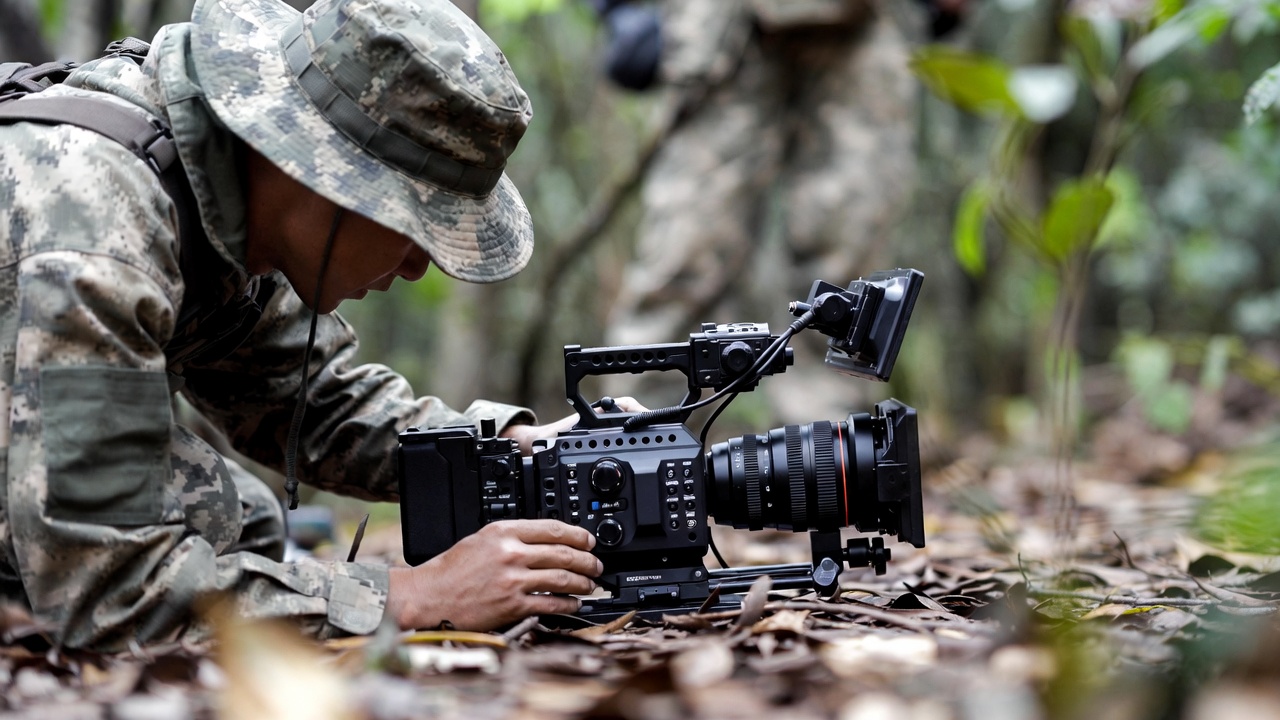
  • Field training in a major national park (e.g., Yala or Wilpattu): tracking animals with the camera, panning, following behavior, holding long sequences.
  • In‑vehicle practice: shooting from beanbags, monopods, or vehicle mounts.
  • Afternoon: reviewing footage, basic editing structure, and feedback.
Day 3 – Behavior, Sequences, and Sound
  • Morning: building story sequences (establishing shots, medium shots, close‑ups) around a single species such as elephants, deer, or primates.
  • Recording clean natural sound (ambient, distant calls, vehicle noise control).
  • Evening workshop: simple storyboards and shot lists for next day’s shoot.
Day 4 – Light, Composition, and Low-Light Filming
  • Dawn and late‑afternoon filming: working with backlight, silhouettes, and contrast.
  • Intro to low‑light techniques (high ISO, fast lenses, noise management).
  • Classroom: organizing media, backing up cards, basic color correction concepts.
Day 5 – Mini‑Documentary Project
  • Participants film a short “scene” (2–3 minutes) focusing on one story (a herd, roost, troop, or habitat).
  • Group review session with constructive critique from instructors.
  • Closing session: next‑step learning plan, recommended gear and practice routines.

10-Day Wildlife Videography Training (Beginners to Confident Shooters)

Days 1–5 – Core Foundation
  • Same structure as the 5‑day course (gear, basic field craft, sequences, sound, mini‑project).
Day 6 – Forest and Close‑Range Work
  • Filming in rainforest or dense forest (e.g., Sinharaja or Kitulgala type environment).
  • Techniques for low‑contrast scenes, filming in rain/mist, and focusing through branches.
  • Macro/close‑up sequences of small subjects (reptiles, insects, plants) to build variety.
Day 7 – Highlands / Cloud Forest Mood
  • Filming in cooler highland/cloud forest areas (e.g., around Nuwara Eliya region).
  • Creating atmosphere: fog, wind, weather transitions, and time‑lapse basics (for those interested).
  • Classroom: building a 5–7 minute sequence from multiple locations.
Day 8 – Advanced Behavior & Long-Term Setups
  • Revisit a key park or site to follow behavior you’ve already started to understand (e.g., an elephant gathering or primate troop).
  • Practice longer holds, patience, and anticipating action.
  • Discussion: how professional crews work over months/years in one location.
Day 9 – Editing and Story Construction
  • Structured editing session: importing, organizing, building a rough cut.
  • Adding ambient sound, basic music placement (rights-safe sources provided by you), and smoothing cuts.
  • One‑to‑one coaching on each participant’s short film.
Day 10 – Final Shoot & Screening
  • Final half‑day shoot to fill gaps in each participant’s story.
  • Final edits or “director’s cut” polish session.
  • Group screening of participant films with feedback,

Infrastructure Package for Expert Documentary Teams

This is for experienced film crews (e.g., TV, streaming, or independent productions) who do not need training but require logistics and technical support similar to what high‑end productions use in Sri Lanka.

Field Infrastructure & Logistics

  • Mobile tented camps in key ecosystems:
    • Dry scrub, grassland, lakes, forest, rainforest, cloud forest, and coastal/marsh areas.
  • Custom 4×4 vehicles:
    • Platform space for tripods.
    • Removable / modular camera mounts (side/roof).
    • Power inverters for in‑vehicle charging.
  • Location scouting & access:
    • Pre‑scouting of hides, waterholes, game trails, roosts, and den trees.
    • Coordination of park permits and filming permissions.
  • Flexible camp setups:
    • Ability to camp near remote locations for multi‑day sequences.

Technical & Power Infrastructure

  • Central charging station:
    • Multiple AC outlets and USB hubs.
    • Backup generator plus solar support where feasible.
  • Media management area:
    • Secure, dust‑controlled space for DIT workstations.
    • Tables, chairs, and lighting suited for card offloading and backup.
  • Basic workshop/repair bench:
    • Clean table for minor gear maintenance and cleaning.

Staff & Support

  • Field‑experienced drivers:
    • Comfortable working with long hours and slow tracking speeds for filming.
    • Familiar with key habitats, animal behavior, and access tracks.
  • Wildlife‑savvy guides:
    • Knowledge of lesser‑used routes to avoid crowds.
    • Sensitivity to ethical filming distances and behavior.

Camp Facilities for Production Teams

  • Accommodation:
    • Tented or lodge‑based with proper beds, ensuite or shared bathrooms (as requested).
  • Workspaces:
    • Covered meeting area for daily production briefings.
    • Co‑working style space with tables for laptops and notes.
    • Small lecture/briefing corner with screen or projector for reviewing rushes.
  • Catering:
    • Full board or tailored meal plans, with early/late meal flexibility to match filming schedules.
    • Packed meals/snacks for long days in the field.

Optional Add‑Ons

  • Local camera assistants / fixers.
  • Translation and local liaison for interviews.
  • Support for drone permissions (where legally allowed and appropriate).
  • Extended multi‑month base camp operations with rotating crews.


Accommodation for Toddyland Wildlife Videography Training

Strategic stays support beginner training expert infrastructure (production camps, power setups). Ensuite rooms standard; full board (all meals + snacks) or half board (breakfast + dinner) available. Locations match program habitats for seamless filming.

Beginner Training Accommodations (5-Day & 10-Day)

Eco-Lodges (Wilpattu National Park Area)
Specialty: Elevated forest immersion for sound recording practice; dawn chorus audio drills.

  • Full Board: All meals + picnic packs for safaris; sustains long sequence holds.
  • Half Board: Breakfast/dinner; flexible for gear-focused days.
  • Infrastructure: Shaded editing decks, projector lecture veranda, charging hubs, quiet audio booths.

Lakefront Training Resorts (Habarana/Minneriya Area)
Specialty: Open grounds for behavior sequencing; primate/bird audio capture.

  • Full Board: Meals + hydration stations for all-day shoots.
  • Half Board: Core nutrition; local cuisine trials.
  • Infrastructure: AV seminar lounge, co-working tables, portfolio review gallery, vehicle mount testing area.

Jungle Safari Camps (Yala National Park Area)
Specialty: Leopard tracking base; low-light video ethics training.

  • Full Board: Energy-rich fare + late-night snacks.
  • Half Board: Dawn/dusk focus; trail fuels.
  • Infrastructure: Briefing tents, laptop lounges, whiteboard platforms, night demo decks, DIT stations.

Rainforest & Cloud Forest Retreats (Sinharaja/Kitulgala/Nuwara Eliya Areas)
Specialty: Macro/audio immersion; mist/fog mood filming.

  • Full Board: Tropical + highland warmth; weather-proof packs.
  • Half Board: Adaptable for extended trails.
  • Infrastructure: Humidity-controlled desks, mini-auditoriums, macro labs, reflection balconies for storyboarding.

Expert Infrastructure Package Accommodations

Mobile Tented Production Camps (Flexible: Yala, Wilpattu, Forests)

  • Full Board: Tailored production meals; 24/7 snacks/beverages.
  • Half Board: Flexible for crew schedules.
  • Infrastructure: Central power (generator/solar), DIT workspaces, secure media vaults, repair benches, briefing pavilions.

Custom 4×4 Vehicle Camps (Park Buffer Zones)
Specialty: Remote access for long-term sequences; modular for multi-month stays.

  • Full Board: Field rations + chef support.
  • Half Board: Base camp focus.
    Infrastructure: Camera mount vehicles, charging inverters, scouting hubs, ethical hide platforms, drone liaison zones (permits extra).

Toddyland Coordination: Rotates per program; clean, safe, videography-optimized. Global crews welcome

Accommodation Options for Overseas Group Curriculums

Toddyland partners with international universities, film schools, and documentary affiliations for seamless infrastructure support. We provide location access, logistical backbone, and facilities near prime videography sites (Wilpattu, Yala, Sinharaja, Kitulgala, Nuwara Eliya)-ideal for curriculum-based groups of 8-20


Location/Area Specialty Full Board Half Board Group Infrastructure (Capacity & Beds)
EcoLodges

Wilpattu Area

Leopards, sloth bears, axis deer, 200+ birds (kingfishers, eagles); elevated audio isolation All meals + group snacks/picnics Breakfast + dinner; midday flexible Seminar decks (20 seats), soundproof edit pods (8-12), twin/double beds (16 beds total), trailhead staging
Lake Resorts

Habarana/Minneriya Area

Asian elephants (gatherings), toque macaques, langurs, raptors (sea eagles, fish eagles), water monitors Sustained energy meals + hydration carts Core meals; curriculum-timed AV lecture halls (25 seats w/ projector), communal edit tables (12 stations), double/twin rooms (20 beds), vehicle demo yard
Safari Jungle Camps

Yala Area

Leopards (highest density), tuskers, sloth bears, chital deer, mongooses, 300+ birds (hornbills, junglefowl) Fuel-packed cuisine + late fuel-ups Dawn/dusk optimized Tented briefing pavilions (20 seats), DIT workstations (10), ensuite tents w/ twin beds (16 beds), low-light demo decks
Rainforest/Cloud Retreats

Sinharaja/Kitulgala/Nuwara Eliya

Endemic birds (magpies, malkohas), pit vipers, purple-faced leaf monkeys, giant squirrels; macro insects Weather-adapted tropical/highland fare Trail-ready options Humidity-safe co-working (15 stations), mini-cinemas (20 seats), deluxe doubles/twins (18 beds), macro labs

Includes

  • Expert-led coaching (beginners) or full logistical support (experts)
  • Ground transport: Airport transfers + park rotations (Wilpattu, Yala, Sinharaja, Kitulgala, Nuwara Eliya)
  • High-standard accommodations with videography workspaces (ensuite rooms, AV setups, DIT stations)
  • Meals: Full board (all meals + snacks) or half board (breakfast + dinner)
  • Park permits, game drive access, location scouting
  • Technical support: Power grids, camera mounts, media management areas
  • Toddyland wildlife experts, ethical protocols, English and Japanese speaking coordination

Excludes

  • International flights to Colombo Airport
  • Personal travel/medical/gear insurance (mandatory)
  • Alcoholic beverages, premium dietary requests
  • Personal equipment (cameras, drones, laptops, memory cards)
  • Optional extensions (beach, urban modules)
  • Drone permits (additional coordination)

Key Details

Best Season: December-April (dry season, optimal wildlife activity & clear filming conditions)​
Equipment Needed – 

  • DSLR/mirrorless camera with video capability
  • Telephoto lens (200-600mm recommended)
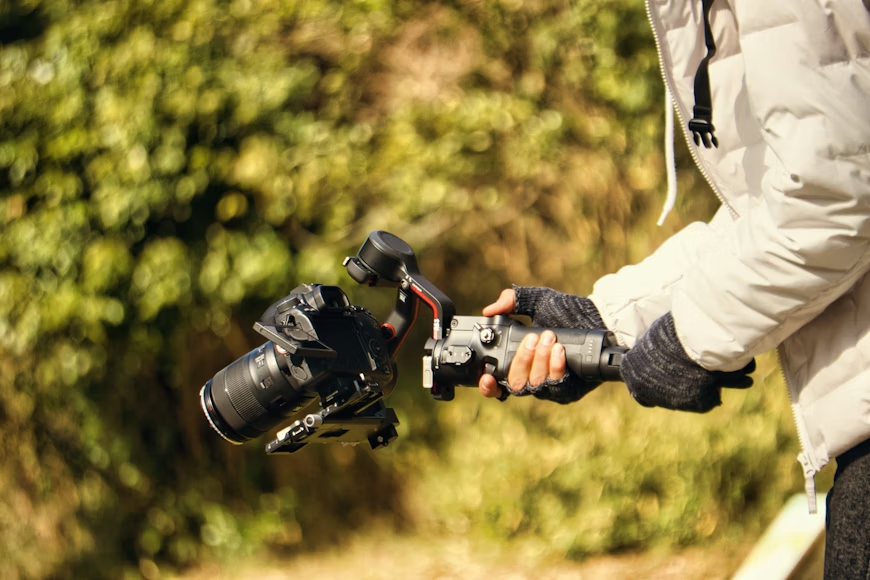
  • Gimbal/stabilizer for smooth footage
  • (Professional equipment rental packages available)
For Individuals & Teams

Name: ________ Email: ________ Phone: ________

Program: ☐ 5-Day ☐ 10-Day ☐ Expert Package

Group Size: ___ Dates: ________ Board: ☐ Full ☐ Half

Experience: ☐ Beginner ☐ Pro  Insured: ☐ Yes

Submit: info@toddylandtours.com 


Response: 48hr confirmation → 10% Deposit → Itinerary.


For quick  chat, please contact via WhatsApp: +94 76 018 0036 


For Affiliated Institutes

Institution: ________ Contact: ________ Email: ________

Participants: ___ Faculty: ___ Dates: ________

Program: ☐ Beginner ☐ Infrastructure ☐ Custom

Submit: [email protected]

Process: Proposal → Contract → Field execution.

For quick  chat, please contact via whatsapp 

What We Offer Partner Institutions :
  • Customized curriculum integration aligned with your existing course learning objectives
  • Academic credit framework support with detailed assessment rubrics and grading criteria
  • Pre-trip online modules covering equipment, safety protocols, and Sri Lankan biodiversity basics
  • Faculty liaison coordination for seamless academic supervision and institutional requirements
  • Student group discounts (10% off for university students)
  • Flexible scheduling to match academic calendars and semester breaks
  • Insurance coordination with international student travel coverage providers
  • Emergency protocols meeting international education travel standards
  • Post-trip assessment materials including certification documentation for transcript records
Program Benefits for Institutions :
  • Biodiversity hotspot access: Sri Lanka ranks among the world’s top 35 biodiversity hotspots with 400+ wildlife species​
  • Cost-effective field training: Significantly lower operational costs compared to African or South American alternatives
  • English/Japanese-speaking environment: Facilitates learning without language barriers for international students, German, Russian Language translator provided upon request
  • Safe destination: Politically stable with excellent tourism infrastructure for student groups
  • Diverse ecosystems: Rainforests, dry zones, wetlands, and coastal environments in compact geography​
  • Conservation partnerships: Direct collaboration with Sri Lanka Wildlife Conservation Society
  • Industry networking: 
Partnership Models :
  • Semester Field Course (2-3 weeks): Complete module with lectures, field work, and post-production
  • Short-Term Intensive (1 week): Focused field training during academic breaks
  • Annual Exchange Program: Regular yearly cohorts with repeat institutional partnerships
  • Hybrid Programs: Combine with cultural heritage sites (Sigiriya, Galle Fort) for holistic Sri Lankan experience​
  • Research Documentation Training: For graduate students conducting field research requiring video documentation
Technical Infrastructure for Academic Groups :
  • Classroom facilities for theory sessions and equipment workshops before field deployment
  • High-speed internet & charging stations at all accommodation sites for daily footage backups
  • Equipment rental pools for institutions unable to transport gear internationally
  • Dedicated support vehicles for student groups with teaching assistants
  • Medical support coordination with international-standard hospitals in proximity
  • Vegetarian/vegan/dietary accommodation for diverse student populations

Submit An Inquiry


    By submitting this form, you are agreeing to the Terms & Conditions and Privacy Policy of Toddyland.