History / Archaeology Program

Program Overview

  • Core Focus: Ancient civilizations (Anuradhapura, Polonnaruwa, Sigiriya) + engineering marvels (stupas, irrigation mega-structures) sightseeing and analysis.
  • Duration – 2 weeks / 4 weeks
  • Practical Outcomes: Field-documented portfolios for “ancient engineering,” “heritage management,” or “cultural preservation” for students
  • University Partnerships: Archaeology Departments and Postgraduate Institute
  • Campus tours + formal exchange with Sri Lankan archaeology/history students 
  • Accommodation: English speaking Premium homestays/ Villas  available for comfort/integration. 
  • Language Options: English primary / Japanese -speaking translations – Other language available upon request

-There are 15,000+ Sri Lankan nationals and students who speak Japanese.

To Whom This Field Course Is For

Global university students seeking hands-on archaeology fieldwork and UNESCO heritage analysis:

  • Archaeology majors documenting ancient engineering techniques
  • History undergraduates studying South Asian civilizations
  • Anthropology students exploring heritage management practices
  • Architecture/Engineering analyzing stupa construction and hydraulic systems
  • Art History researchers** studying rock-cut temples and Buddhist iconography
  • Study abroad groups needing short-term (2-4 week) humanities
  • Students wanting cultural exchange through homestays and campus friendships

Perfect fit: Humanities students requiring primary field documentation and comparative civilization reports while making authentic Sri Lankan connections.

Engineering content = Toddyland’s DIFFERENTIATOR. No South East Asia competitor matches Sri Lanka’s 2,000-year hydraulic Engineering legacy.

Archaeology Field Tour  Program Global Comparison

Sri Lanka leads as world’s top heritage destination (TripAdvisor Travelers’ Choice) with 8 UNESCO sites + ancient engineering marvels unmatched by competitors.

Factor Sri Lanka India China Egypt
UNESCO Sites 8 in 1 country (Anuradhapura, Sigiriya, etc.) 42 scattered 59 scattered 7 (Nile Valley)
Engineering Marvels Stupas (122m), 87km canals, rock fortresses Taj Mahal, stepwells Great Wall, Forbidden City Pyramids, temples
Program Duration 2-4 weeks (perfect short-term) Less short field tours Less short field tours 2-3 weeks (Nile cruises)
Domestic Transport Excellent (4hr circuits, private AC) Challenging (24hr trains) Complex (high-speed but fragmented) Nile-dependent
Safety GPI 1.43 (Very safe tourist-friendly)

English speaking/ Japanese speaking 15,000 students in Sri Lanka


GPI 2.3 (crowded) GPI 1.8 Very safe GPI 2.7 (unrest areas)
Site Density 8 sites/400km² (1 week circuit) 42 sites/3M km² 59 sites/9M km² 7 sites/1,000km Nile

■ UNIVERSITY THEMATIC ALIGNMENT AND STUDY GOALS COVERED

 HISTORY/ARCHAEOLOGY PROGRAM
  •  Asian Studies: “UNESCO Heritage Analysis” ✓
  •  Anthropology: “Ancient Civilizations” ✓
  •  Education Faculty: “Cultural Preservation” ✓
Sri Lanka’s Strategic Superiority
  •  World #1 Heritage Destination – TripAdvisor Travelers’ Choice for accessibility + quality
  •  Unbeatable Logistics: 8 UNESCO sites in 400km radius = 1-week complete circuit
  •  Safest Ancient Civilization: GPI 1.43 beats Egypt (2.7), India (2.3) for student groups
  •  Academic Integration: Government University Archaeology department  partnerships vs tourist-only competitors
Traveler’s Choice #1 Asia heritage (TripAdvisor) Iconic but crowded


Infrastructure leader Pyramids iconic
Visitor Density (per km²) 31.3 2.9 6.8 13.9
Visitor/Population Ratio 1:11 1:150 1:217 1:8

2-week Archaeology / History Study abroad and exchange Program (Ancient Civilizations, UNESCO World Heritage Sites)

  • Focus on ancient civilizations & archaeology

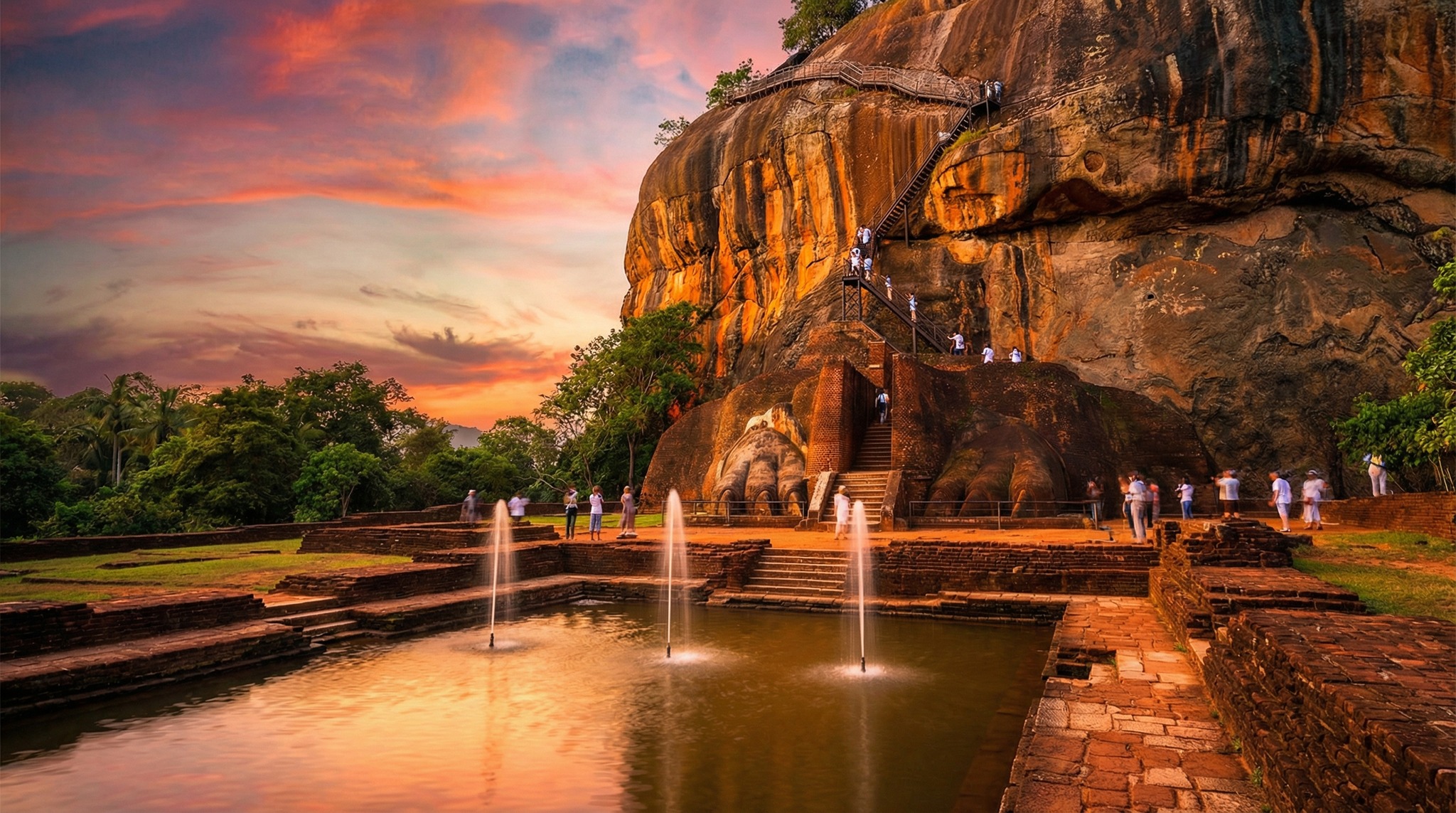
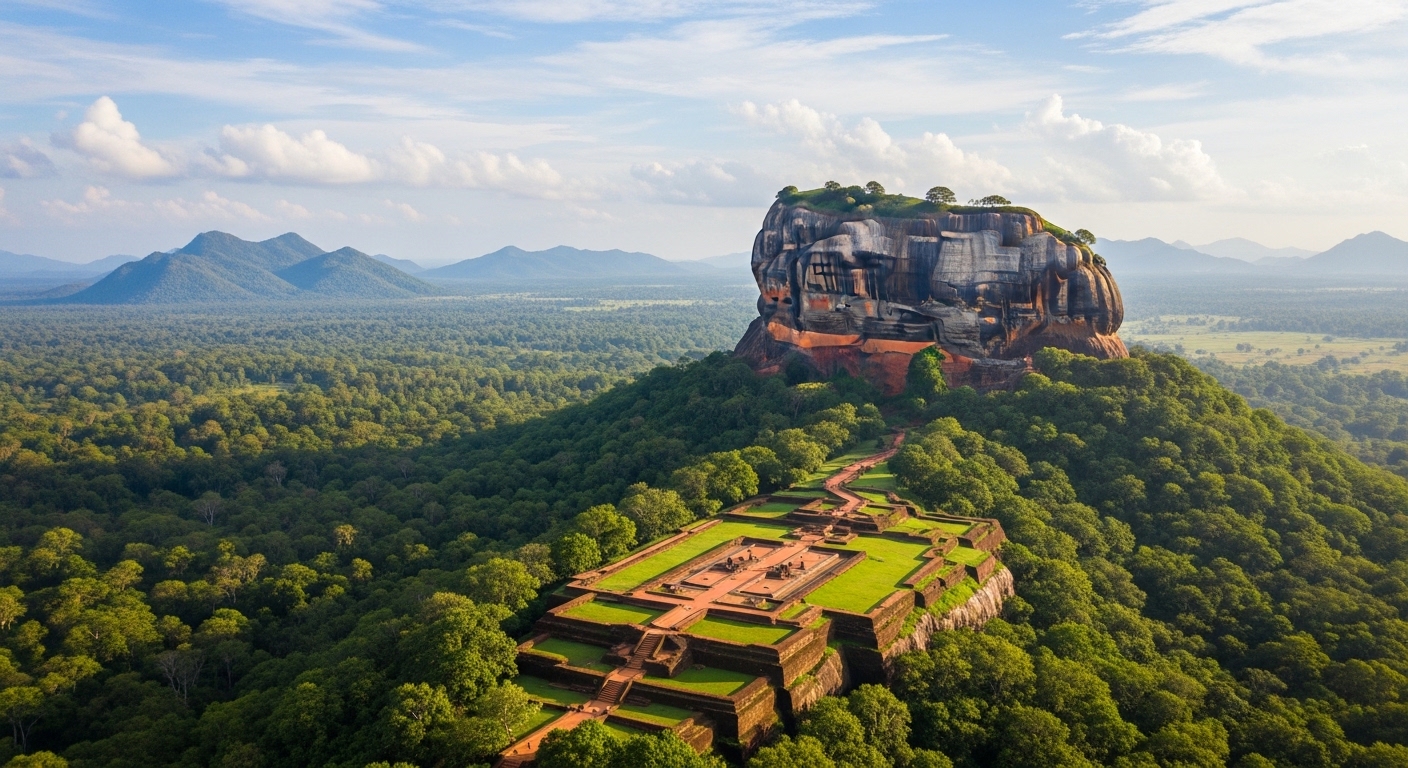
    • Guided visits to Anuradhapura, Polonnaruwa, Sigiriya, Dambulla, Kandy (all UNESCO cultural sites).
    • Local licensed archaeology guides explain city planning, irrigation, Buddhist architecture, and royal history.
    • Explanation of engineering marvels  in modern technology 
  • World Heritage & cultural preservation

    • On‑site observation at UNESCO sites (how they are managed, signage, controlled access, conservation work).
    • Museum visits linked to assignments (Anuradhapura / Kandy museums: artifacts, epigraphy, inscriptions).
  • Comparative history

    • Themes: ancient water engineering in home country, colonial history vs Indian Ocean trade routes vs East Asian routes.
    • Students collect field notes, photos, and interview material for reports required by their home universities.
  • Sri Lankan university involvement

    • Half‑day visit or guest lecture at:

      • A Government University  – Department of Archaeology (overview of Sri Lankan archaeology, current excavations)
      • Or Postgraduate Institute of Archaeology
  • Q&A session with Sri Lankan archaeology students/researchers to support Japanese students’ assignments.
  • Engineering Highlights (guides explain construction methods):
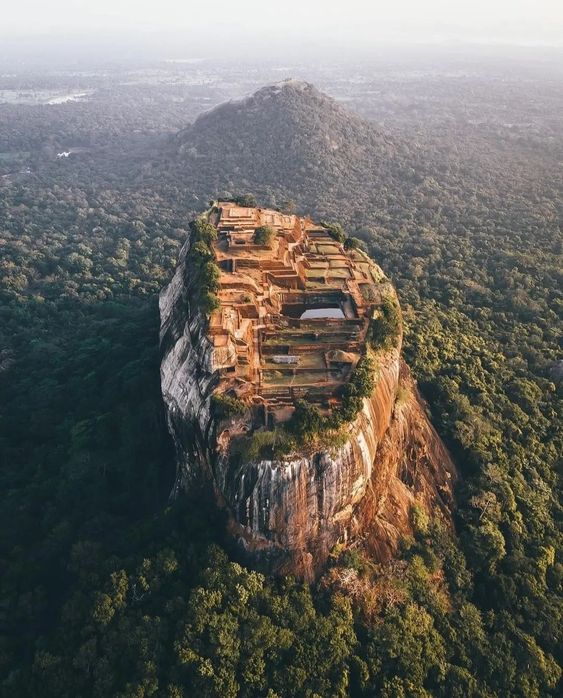
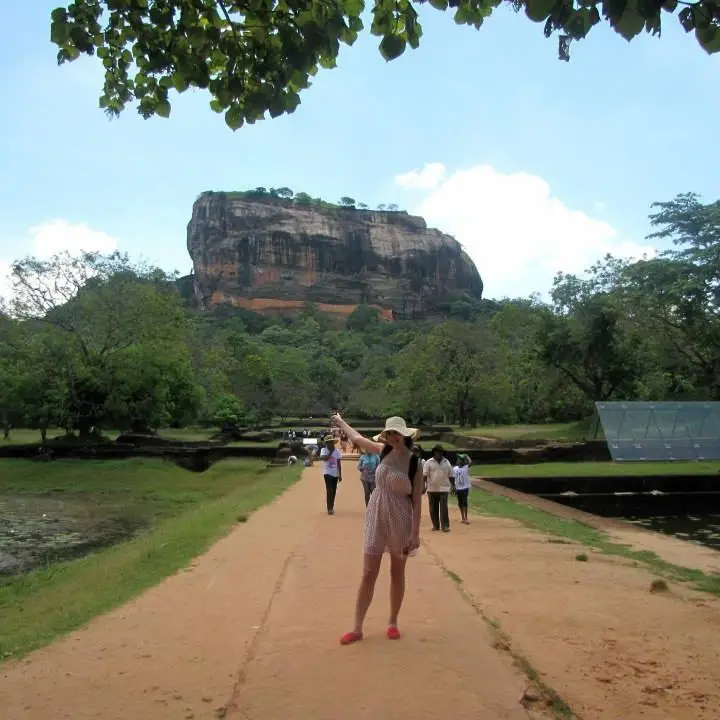
    • Sigiriya: Rock engineering, hydraulic water gardens, fresco scaffolding (5th century AD).​
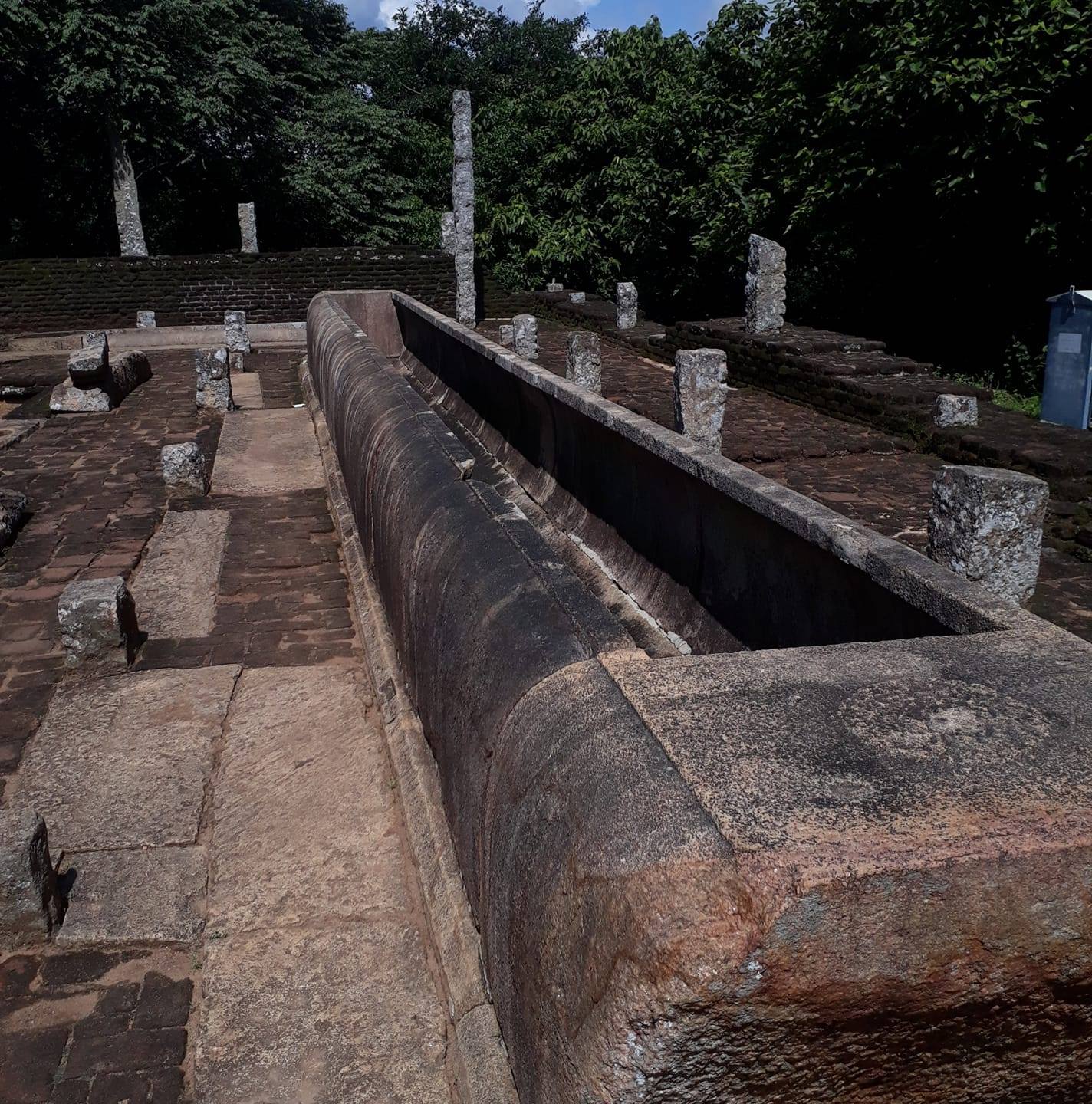
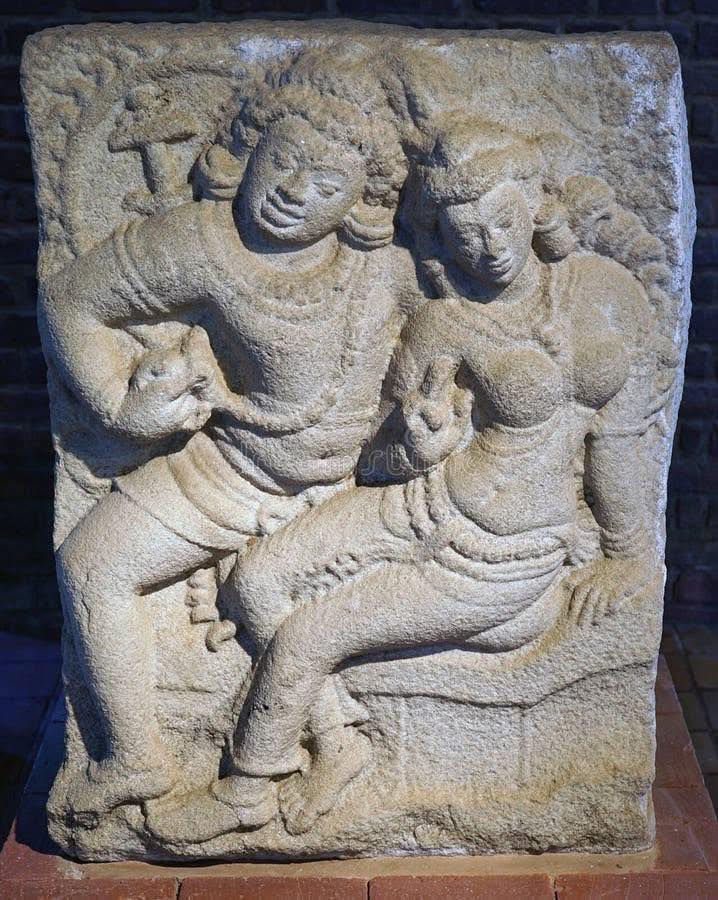
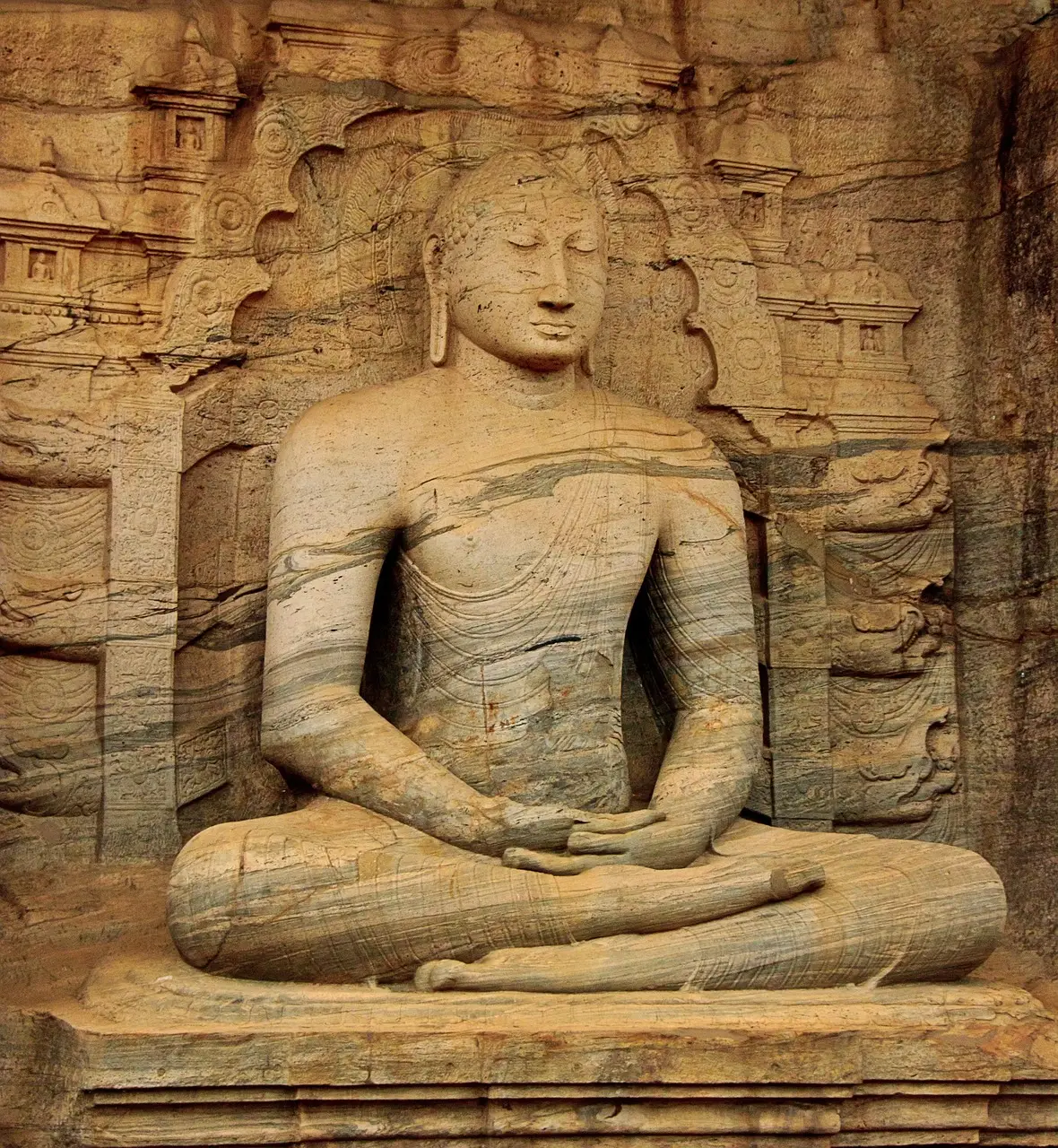
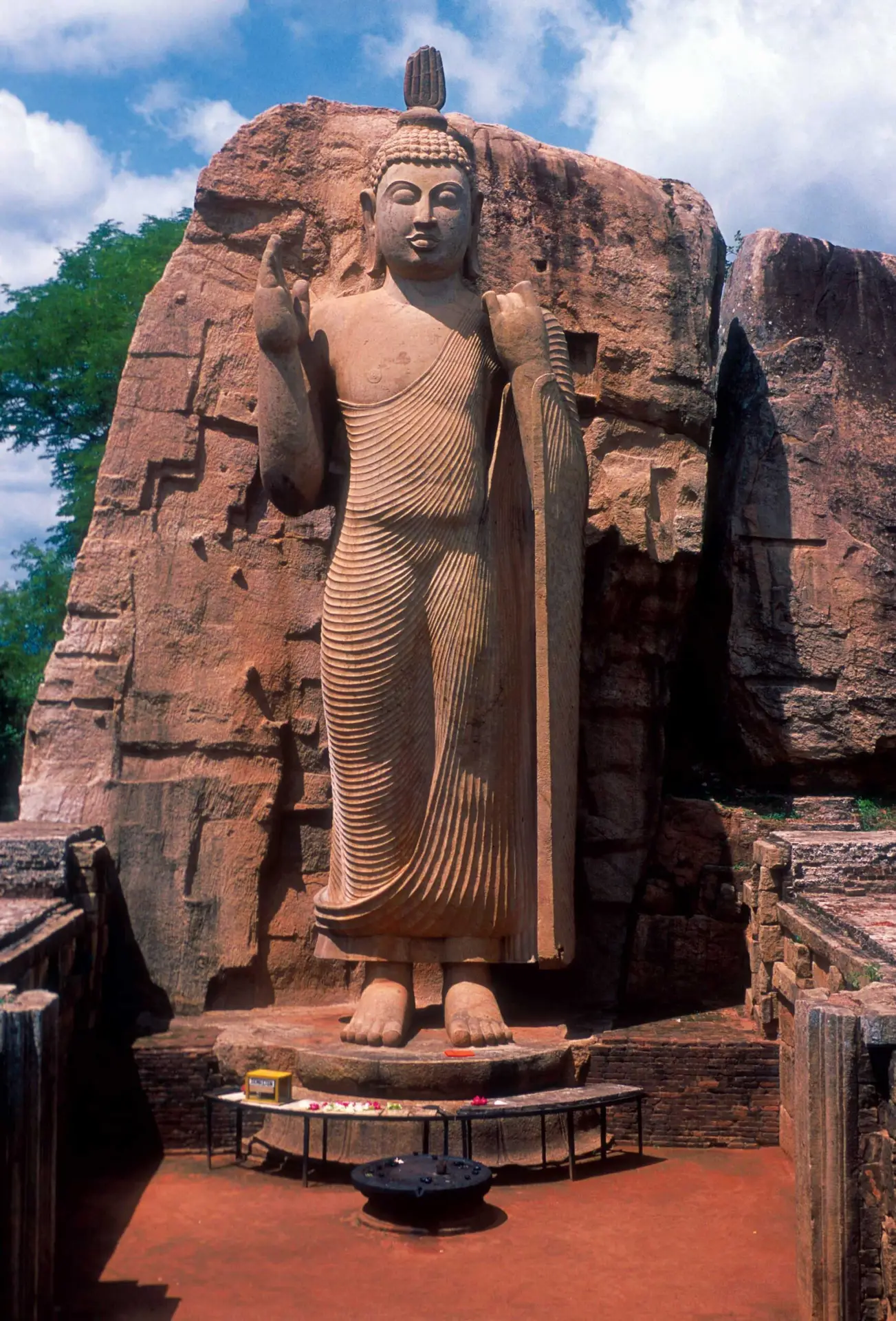
    • Anuradhapura: Stupa construction (Jetavanarama: 93M mud bricks, 122m height); statue carving techniques (Samadhi Buddha).​
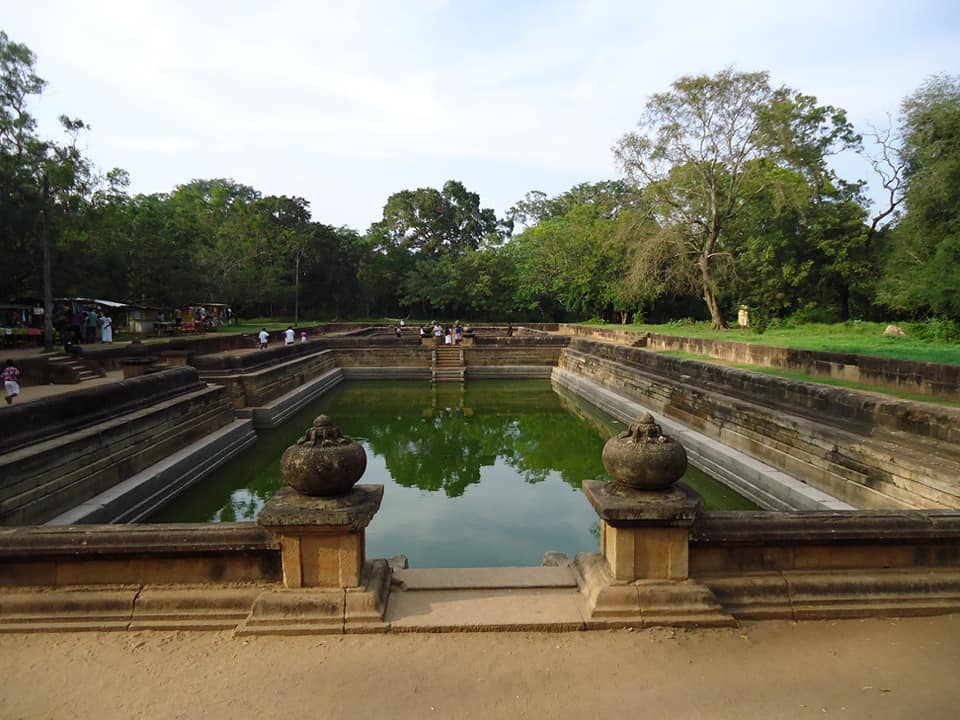
    • Irrigation systems: Tissa Wewa/Abhaya Wewa (3rd century BC reservoirs); Jaya Ganga canal (87km gravity-fed, 3-inch drop per km).
  • University Visit: A government University Archaeology Dept – lecture on ancient engineering techniques (surveying, water leveling, bisokotuwa sluice gates).​
  • Assignment Support: Students photograph/sketch irrigation gradients, stupa profiles for “ancient vs modern engineering” reports.
  • Homestay & language environment
    • Premium Homestay/ Student dormitories  in Kandy Colombo Anuradhapura Polonnaruwa  area with English and Japanese speaking support
  • Role of Toddyland (facility & infrastructure)
    • Arrange Lecturers ,homestays, transport, guides, university contact, arrange resource persons, meeting rooms, Wi‑Fi, printing, and translation/logistics.

4-week Archaeology / History Program

  • Deep archaeological field focus

    • Extended time in the Cultural Triangle: Anuradhapura, Polonnaruwa, Sigiriya, Dambulla.
    • Additional visits to Galle Fort (UNESCO; colonial Dutch–Portuguese–British layers) and Kandy (Temple of the Tooth).
    • Observation of ongoing excavations or conservation projects where possible (through local operators/universities).
  • World Heritage & heritage management theme

    • Students compare management strategies at multiple UNESCO sites (visitor flow, protection zones, interpretation).
  • Comparative history (richer content)

    • Colonial history blocks: Portuguese/Dutch/British periods, fortifications (Galle), railways, tea plantations.
    • Trade routes & war history: Indian Ocean trade, World War period in Ceylon, comparison with East Asia.
  • Stronger university involvement

    • 1–2 structured sessions at:

      • Department of Archaeology, from Government University – lecture on Sri Lankan archaeology sequence (prehistoric to modern).
      • Postgraduate Institute of Archaeology – session on heritage management / museum studies.
    • Campus tours + informal exchange with Sri Lankan archaeology/history students to support comparative assignments

 Deeper Engineering Integration

  • Advanced Engineering Themes:
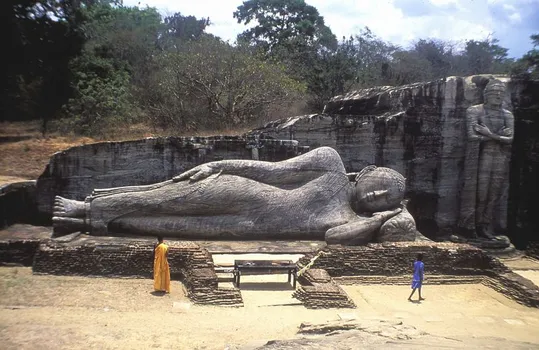
  • Polonnaruwa: Parakrama Samudra (massive reservoir, sluice gates, canal networks); statue engineering (Gal Vihara rock-cut Buddhas).​
  • Anuradhapura Extended: Cascade tank systems (30,000+ interconnected reservoirs); underground conduits to palaces.​​
  • Software/Analogies: Guides compare ancient surveying (plumb bobs, water leveling) to modern CAD/GIS; discuss load calculations for stupa domes.​
  • University Involvement:
    • Postgraduate Institute of Archaeology : Session on stupa structural analysis + irrigation restoration using modern software.​
    • Engineering faculty guest talk on ancient hydraulic software simulations (flow modeling).​

Strategic Locations with premium  homestays /Villas /Hotels / Dormitories  near UNESCO sites and universities. English / Japanese-speaking support  available in all locations for student comfort.Other language support available upon request

All stays: 1:8 researcher support, daily transport by Minibus and vans

Main Base: Kandy-Peradeniya Area

  • Location: University of Peradeniya proximity
  • Highlights: Cultural capital, Temple of Tooth, Botanical Gardens base for Cultural Triangle day trips
  • Facilities: Private ensuite rooms (AC/WiFi), 2 meals daily, study desks, printers , working space

Anuradhapura (Ancient Capital Stay)

  • Location: UNESCO Sacred City center (stupas, reservoirs walking distance)
  • Highlights: Jetavanarama stupa views, irrigation tank observation
  • Facilities: Premium Guesthouse/homestay hybrid, shaded verandas for field notes

Polonnaruwa (Medieval Capital Extension – 4 Weeks)

  • Location: Archaeological Museum + Gal Vihara proximity
  • Highlights: Parakrama Samudra reservoir, rock temple analysis
  • Facilities: Quiet researcher lodges, early morning site access.

Includes

  • Strategic Dormitories /homestays/guesthouses (private ensuite, 2 meals daily)
  • Licensed archaeology guides (UNESCO sites, engineering explanations)
  • University sessions 
  • All site entrance fees (8 UNESCO World Heritage Sites)
  • Private AC transport (Colombo-Kandy-Anuradhapura-Polonnaruwa circuit)
  • Field materials (site maps,)
  • Academic workspaces (WiFi, translation support)
  • Airport transfers + Tourist ETA processing

Excludes

  • International flights to Colombo
  • Personal expenses (souvenirs, additional snacks)
  • Alcohol/beverages outside homestay meals

Key Details

Archaeology & History Field Program | 2-4 Weeks | UNESCO Site Analysis

Individual/Group University Students

Name: _________  Email: _________  University: _________

Program: ☐ 2-Week Core ☐ 4-Week Extended

Major: ☐ Archaeology ☐ History ☐ Engineering ☐ Architecture

Language: ☐ English ☐ Japanese 

Assignment Needs: _________  Preferred Dates: _________

Submit: [email protected]

University Departments & Study Abroad Offices

Institution: _________  Department: _________  Students: ___

Curriculum Focus: ☐ Ancient Engineering ☐ Heritage Management ☐ Comparative History

Credit Requirements: _________  Submit: [email protected]

Response Timeline: 48hr confirmation → Homestay matching → Pre-program site briefing → Detailed itinerary + packing list for field documentation.

Optimal Seasons: December-April (dry season, best site visibility).

Submit An Inquiry


    By submitting this form, you are agreeing to the Terms & Conditions and Privacy Policy of Toddyland.