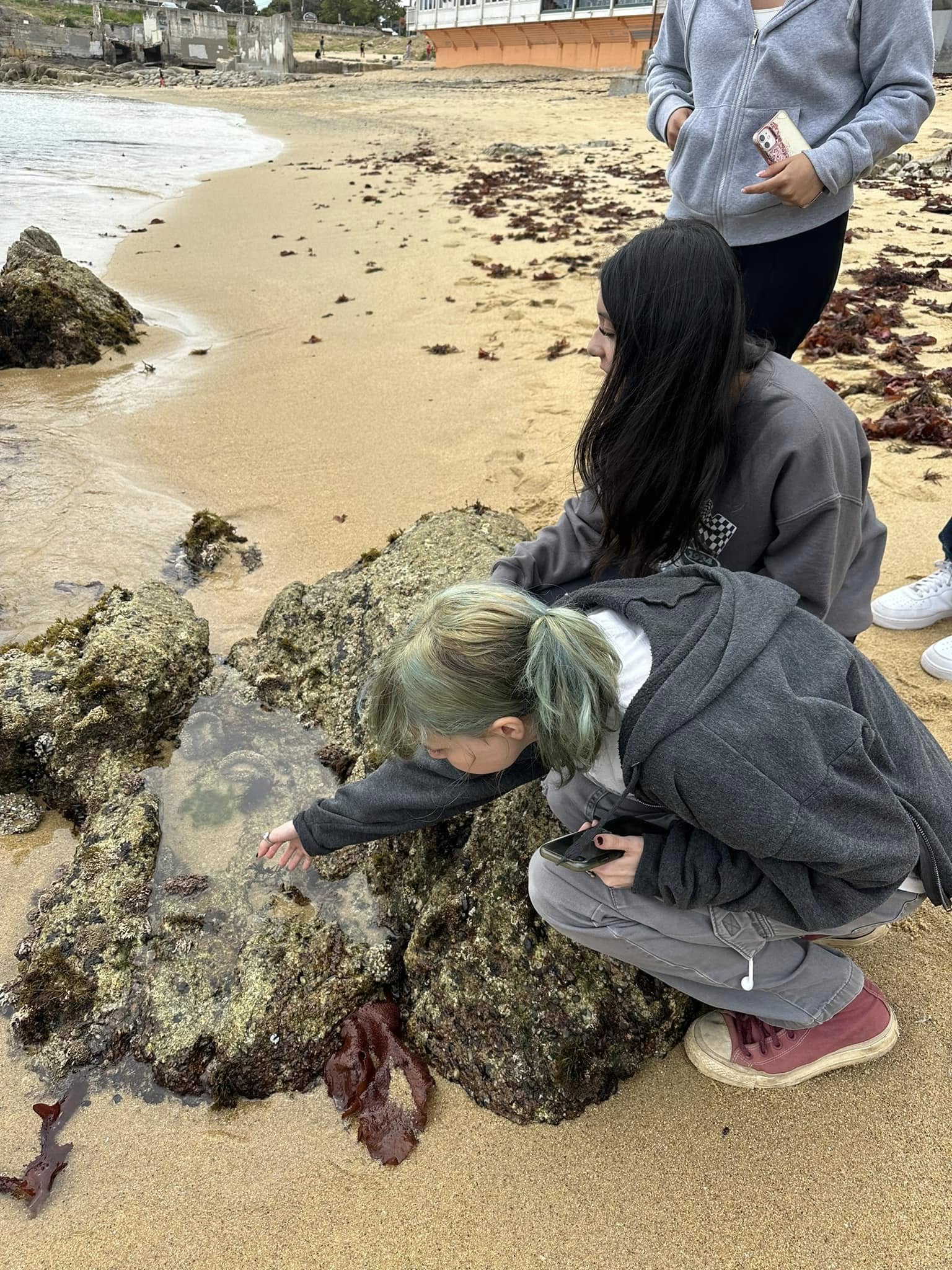
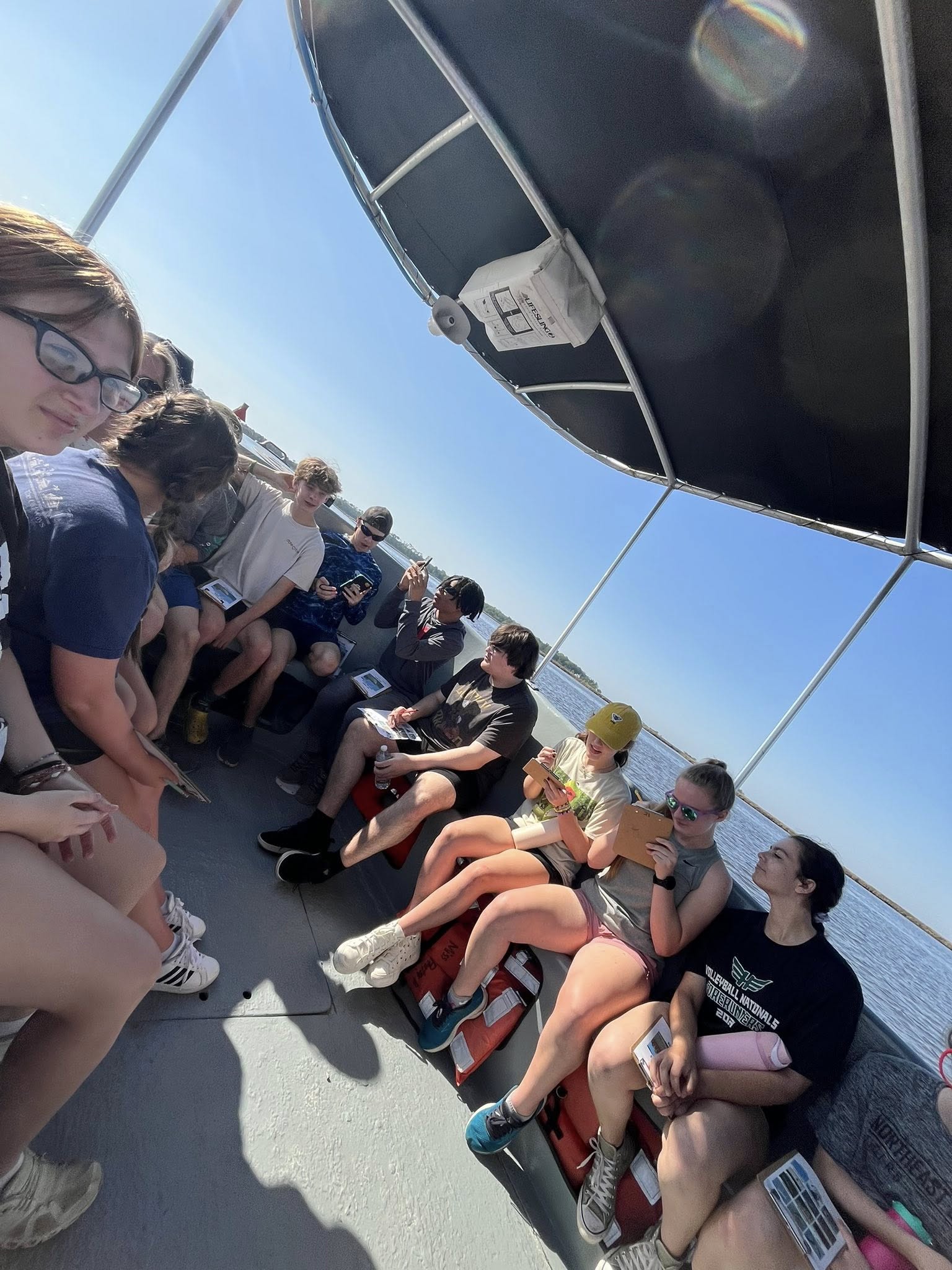
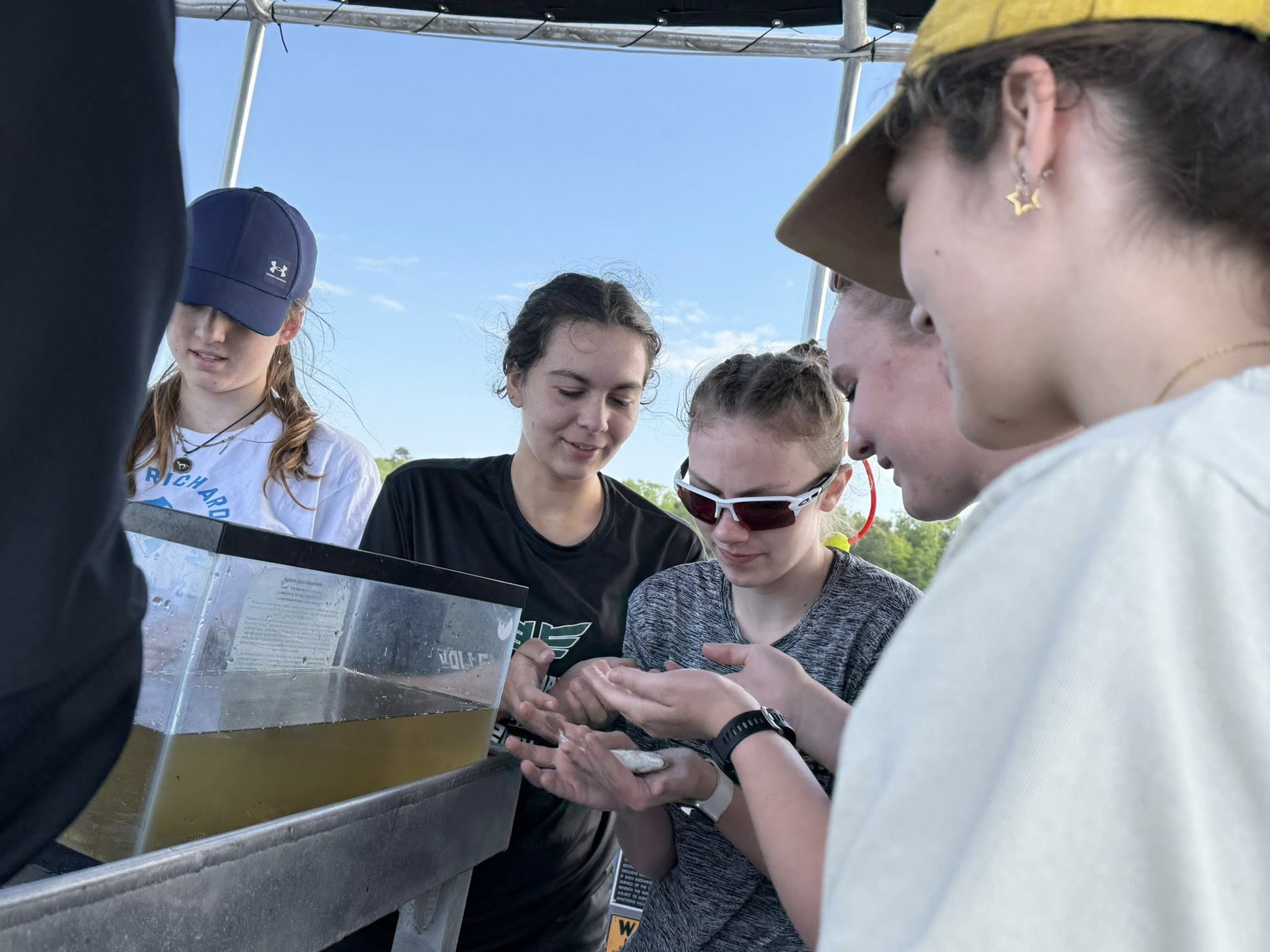
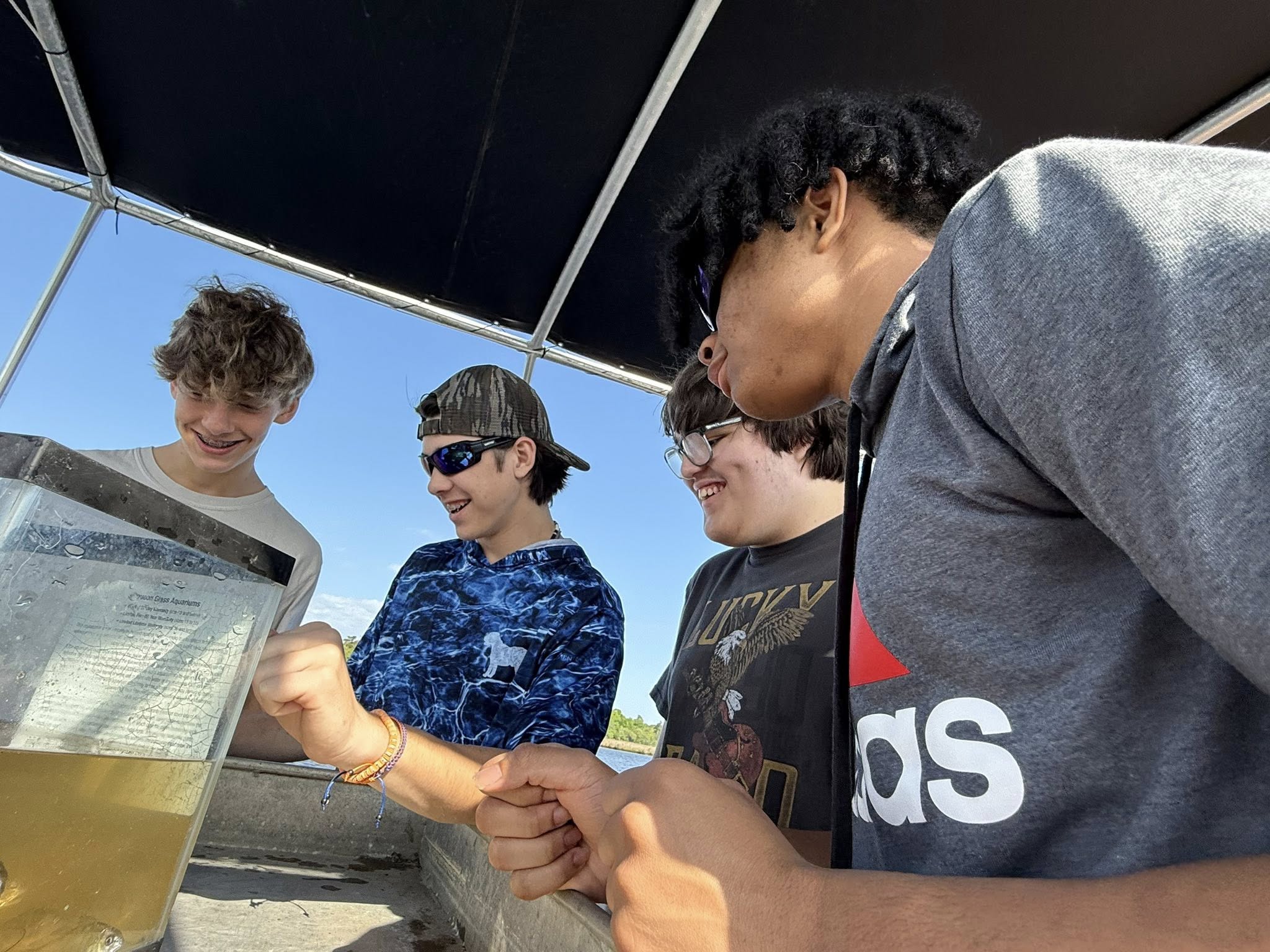
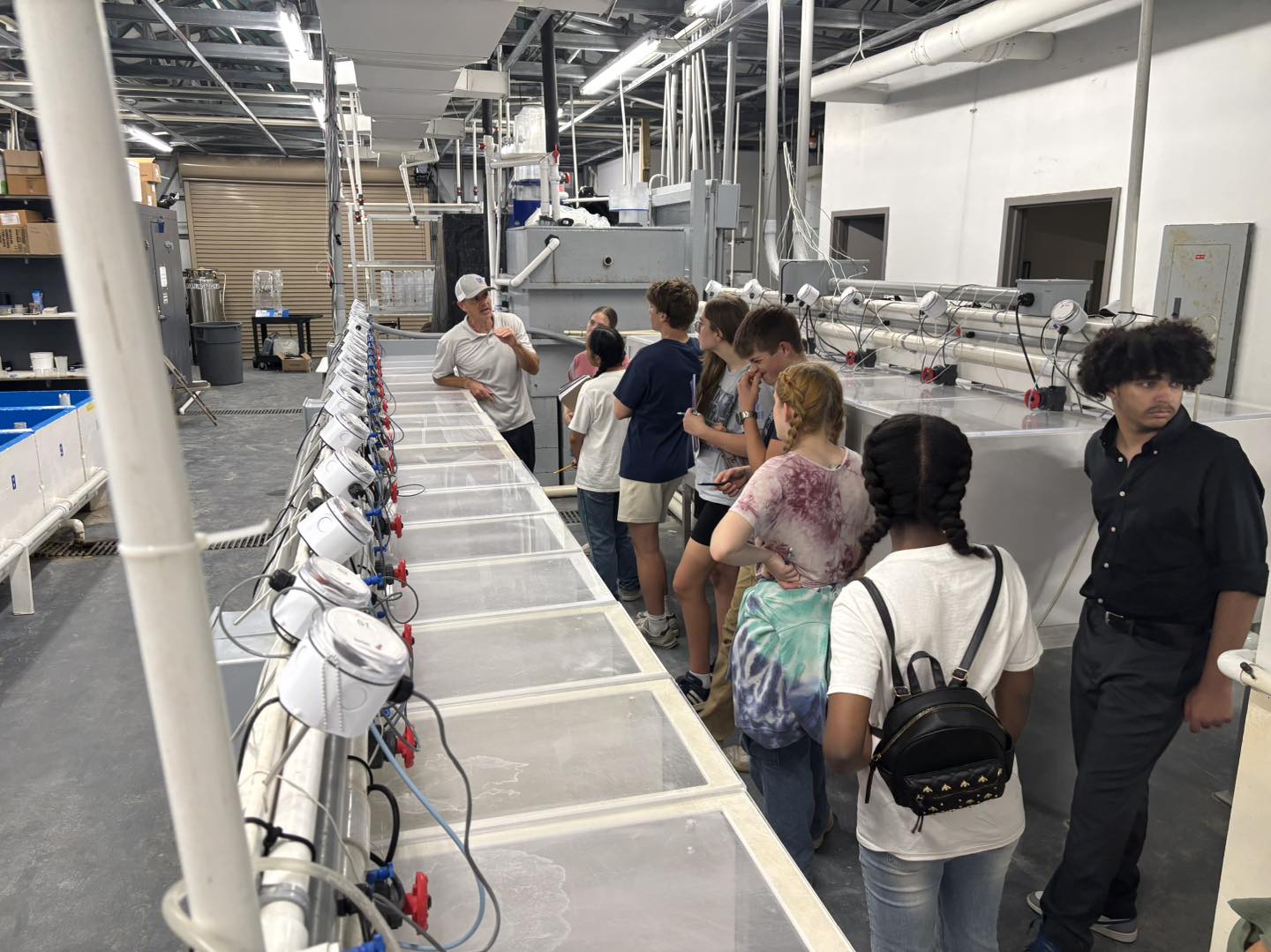
Research-focused beach lodges strategically located near key marine sites. 7/14-day stays include ensuite rooms with drying stations for field gear. Colombo serves as arrival/departure hub with easy airport access.All include Full board/Halfboard options
All options include:
- Full‑board meal plans (breakfast, packed or local lunch, dinner)
- Local transport to field sites
- Drinking water provisions for field days.
Colombo – Arrival & Orientation
Highlights: briefings; pre/post-program orientation; acclimation before whale/turtle circuits
Facilities:
- 3-5 star hotels/ dormitories with all main facilities
- 8 ocean-view researcher rooms (A/C, desks, gear drying)
- Shared analysis lounge (WiFi, microscopes,)
- Beachfront dining (half board, jetlag-friendly)
- Airport transfers (included); trishaw to dive sites
- Laundry, 24hr support
Galle – Blue Whale Research Base
Highlights: world #1 blue whale aggregation, Daily whale photo departures; krill swarm viewpoints; year-round sperm whales
Facilities:
- 3-5 star hotels with all main facilities
- 8 ensuite researcher rooms (sea-view balconies, A/C, drying racks)
- Beachfront dining (full/half board,)
- Research boat dock (15min walk)
- WiFi, solar backup power
Rekawa – Turtle Nesting Headquarters
Location: Rekawa Beach (highest global leatherback density, 5 species nightly)
Highlights: Guided night patrols; synchronized olive ridley arribadas; hatchling releases
Facilities:
- 3-5 star hotels with all main facilities
- Turtle monitoring station (nests mapped via GPS)
- Open-air veranda (starlit briefings)
- Full board (local seafood, early dinners for patrols)
- Trishaw to research sites
Hikkaduwa – Coral Reef Campus
Highlights: Quadrat surveys from beach; Polunin-scale monitoring;
- 3-5 star hotels with all main facilities
- 10 researcher villas (private baths, A/C, underwater camera charging)
- Dive center (transect gear, Secchi disks, snorkel sets)
- Poolside data analysis lounge
- Half/full board
Trincomalee – Pigeon Island Extension (14-Day)
Location: Pigeon Island UNESCO (140 corals, reef sharks, giant morays)
Highlights: Protected marine sanctuary; boat-only access; coral restoration plots
Facilities:
- 3-5 star hotels with all main facilities
- 4 beach cabins (ensuite, solar power, private patios)
- Dedicated research vessel (20min to sanctuary)
- Shaded lab tents (plankton nets, ROV charging)
- Picnic packs for island surveys
- Night vision for eagle ray spotting
All locations: Full circuit: Colombo → Mirissa → Rekawa → Hikkaduwa → Trinco (internal transfers included).