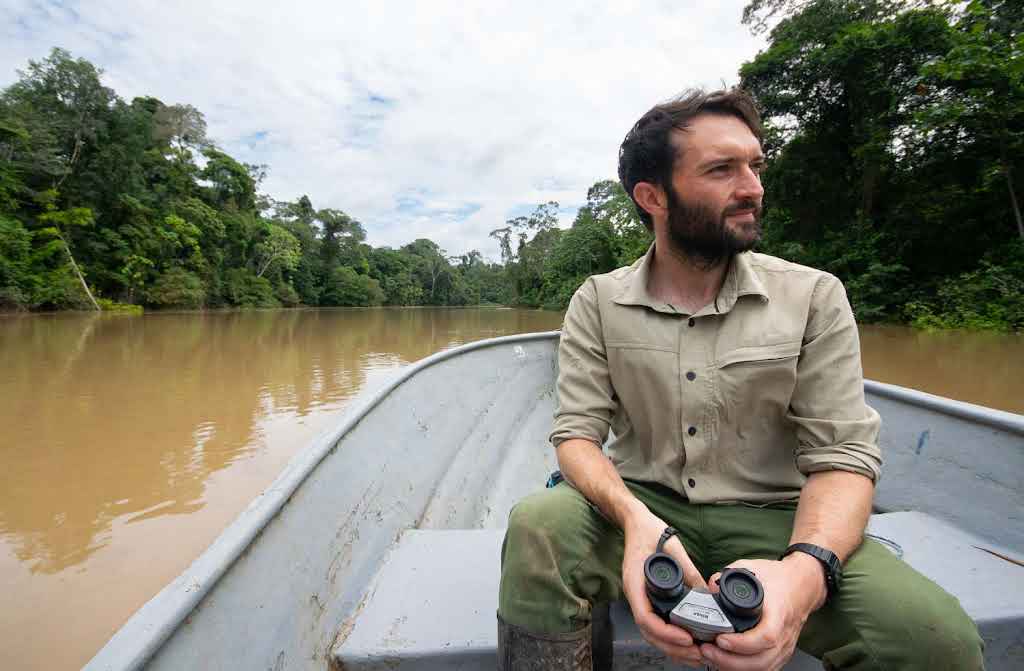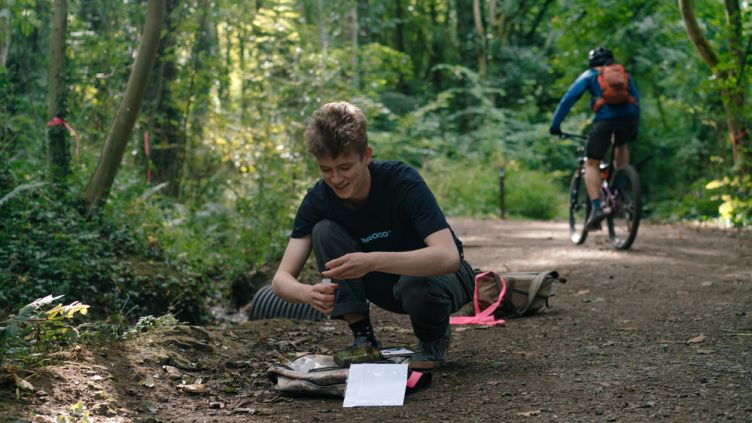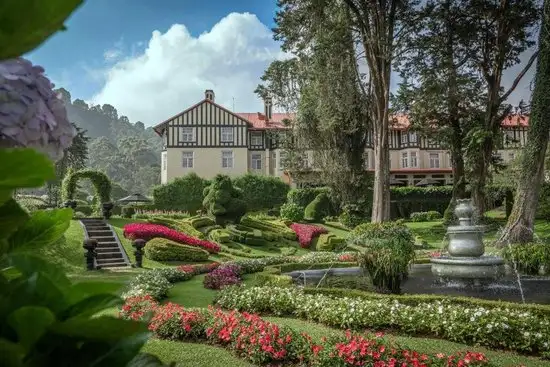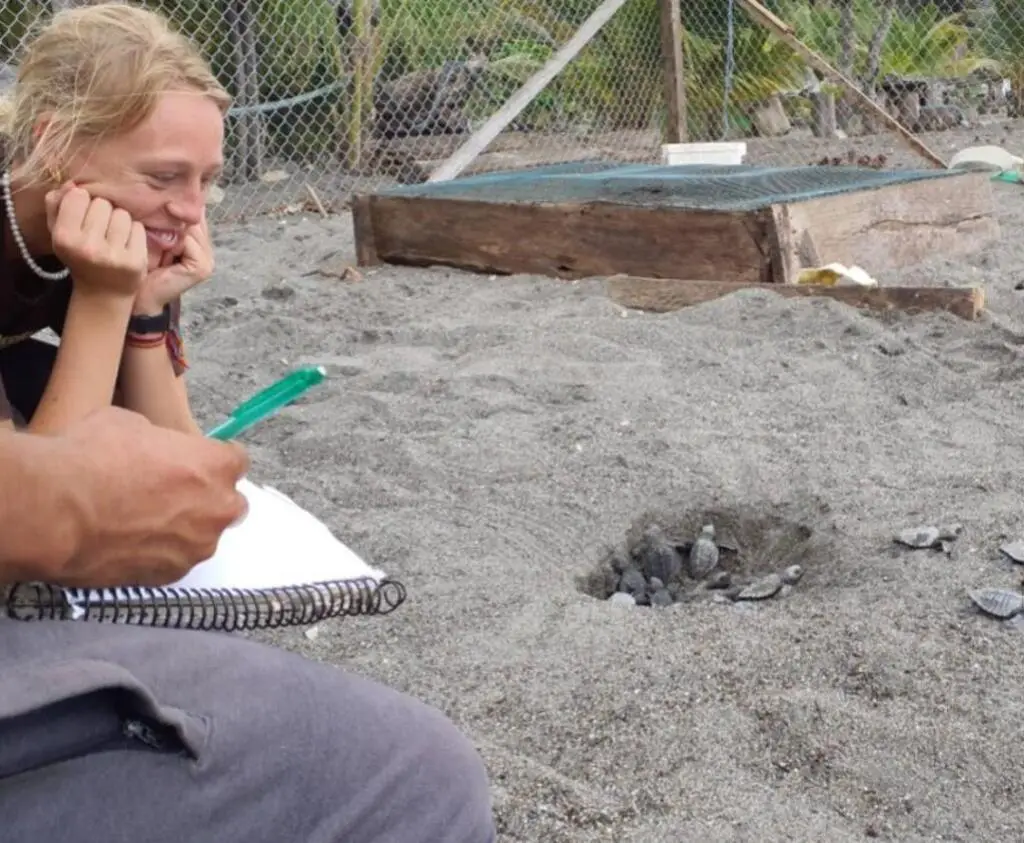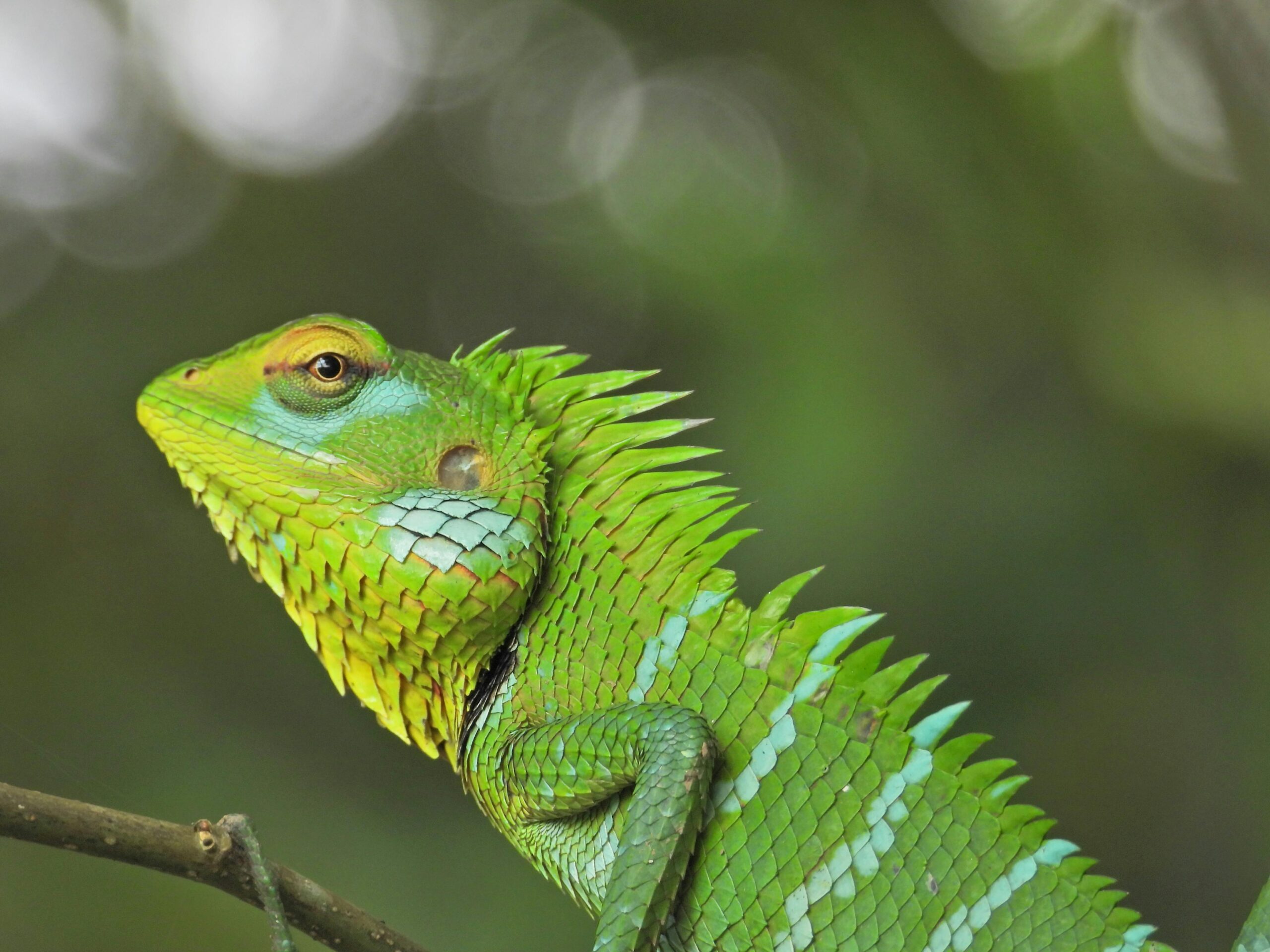
 Core Ecosystems: Sinharaja Rainforest (UNESCO Biosphere), Horton Plains orchids,Yala National Park , Bundala wetlands, Kitulgala rainforests
Botany: Sinharaja (139 endemic trees), Horton Plains orchids, Birds/Zoology: 34 Sinharaja endemics, Kitulgala Bird forest,, Yala 215 species, cloudforest specials
Ecology: Wetland dynamics, forest layering, succession patterns
University Partnerships: Government and private university’s Biology and eco system departments and postgraduate institutes .
Practical Focus: Field tours, Species inventories, ecosystem analysis, conservation , support for home country biology and eco system curriculums , observation
Language Flexibility: English primary / Japanese translators
Accommodation – Hotels / Villas / Premium homestays / Student dormitories
To Whom This Field Tour Is For
University students and faculty seeking intensive tropical STEM fieldwork for their home country program:
Perfect fit: Multi-disciplinary STEM groups requiring primary field data for credit-bearing coursework.
Program Outcomes
Immediate academic deliverables for home-university submission:
University lecture notes: sessions documented
Universities Thematic Alignment
. STEM/ENVIRONMENT PROGRAM
Biology/Geology: “Tropical Field Research” ✓
SDGs Certificate: “Conservation Practice” ✓
Engineering: “Sustainability Engineering” ✓
Why Sri Lanka Excels vs Global Competitors
Sri Lanka delivers unmatched tropical research density that positions it above global field program competitors for short-term STEM study abroad.
Strategic Advantages Table
| Factor | Sri Lanka | Costa Rica | Australia | Ecuador (Galapagos) |
| Endemism | 95% plants (Sinharaja) | 5-10% (cloudforest) | 85% plants (Daintree) | 50% reptiles/birds |
| Ecosystems | 12 types (1 island) | 6 types (country-wide) | 4 types (NE Queensland) | 1 type (islands only) |
| Logistics | 1 country circuit | Multi-region drives | Liveaboards required | Boat transfers + mainland |
| Cost | Affordable – Close to many nations
From Japan 8h direct flight
|
Expensive | Extra expensive | Affordable but too far |
| Access | ETA 24hr | Tourist visa | Student visa | Galapagos permit |
| Research Density | 12 ecosystems/wk | 3 ecosystems/wk | 2 ecosystems/wk | 1 ecosystem/wk |
| University Ties | 4 partners | 2 partners | 1 partner (JCU) | Minimal |
| Hotel Quality | 4-5 star field proximity | 3-4 star remote | 4-5 star field | Liveaboards |
Sri Lanka’s competitive highlights
 Research Multiplier: 12 ecosystems in 400km x 250km = highest biodiversity per hectare globally. No competitor matches rainforest→cloudforest→wetland→montane gradient in single-country logistics.
 Perfect Timing: ETA instant approval vs 2-4 week student visas elsewhere. December-April dry season aligns Maymester/Summer-I calendars.
 Academic Prestige: University partnerships = institutional credibility Costa Rica/Australia can’t match for short programs.
 Data Density: 95% endemic plants + leopard capital + bird waves = thesis-ready portfolios in 14 days.
Bottom Line: Sri Lanka = highest ROI tropical field program globally. More ecosystems, lower cost, simpler access, better hotels than established competitors. STEM departments will prioritize for unmatched research output per week invested.
Sri Lanka delivers unparalleled tropical research value that temperate-zone universities cannot replicate, positioning it as the ideal short-term field destination.
| Country | Avg Flight Hours | Return Cost (USD/JPY) | Direct Flights? |
| Japan | 8h (Tokyo Narita-CMB) | $500-700 / ¥75,000-105,000 | Yes |
| China | 7-8h | $250-500 / ¥37,500-75,000 | Yes |
| Taiwan | 9-10h | $300-600 / ¥45,000-90,000 | No |
| Korea | 9-11h | $600-800 / ¥90,000-120,000 | No |
| Australia | 8-10h | $600-900 / ¥90,000-135,000 | Yes |
| Germany | 9-11h | $600-900 / ¥90,000-135,000 | Yes |
12 Ecosystems in 1 Island (400km x 250km):
Vs Competitors: No Asian country matches rainforest→cloudforest→wetland→montane gradient in single-country logistics.
Academic Impact: Species never seen in home-country herbaria = immediate publication potential.
¥Starting from 650k all-inclusive = Europe semester housing cost Tourist ETA ($50, Japanese free) vs student visas 4-5 star hotels/ dormitories near research sites vs liveaboard/remote camps